

Wart Removal

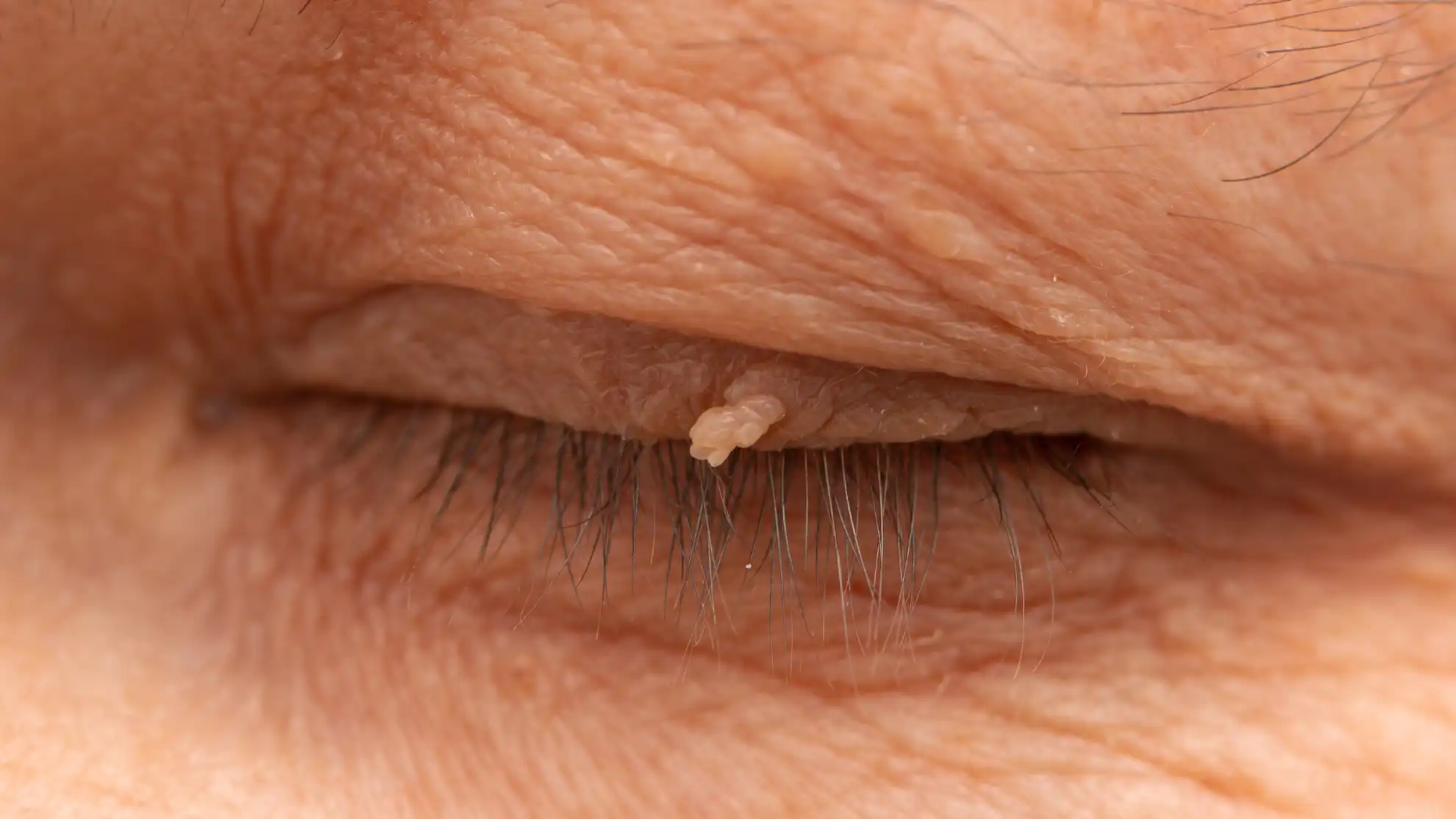
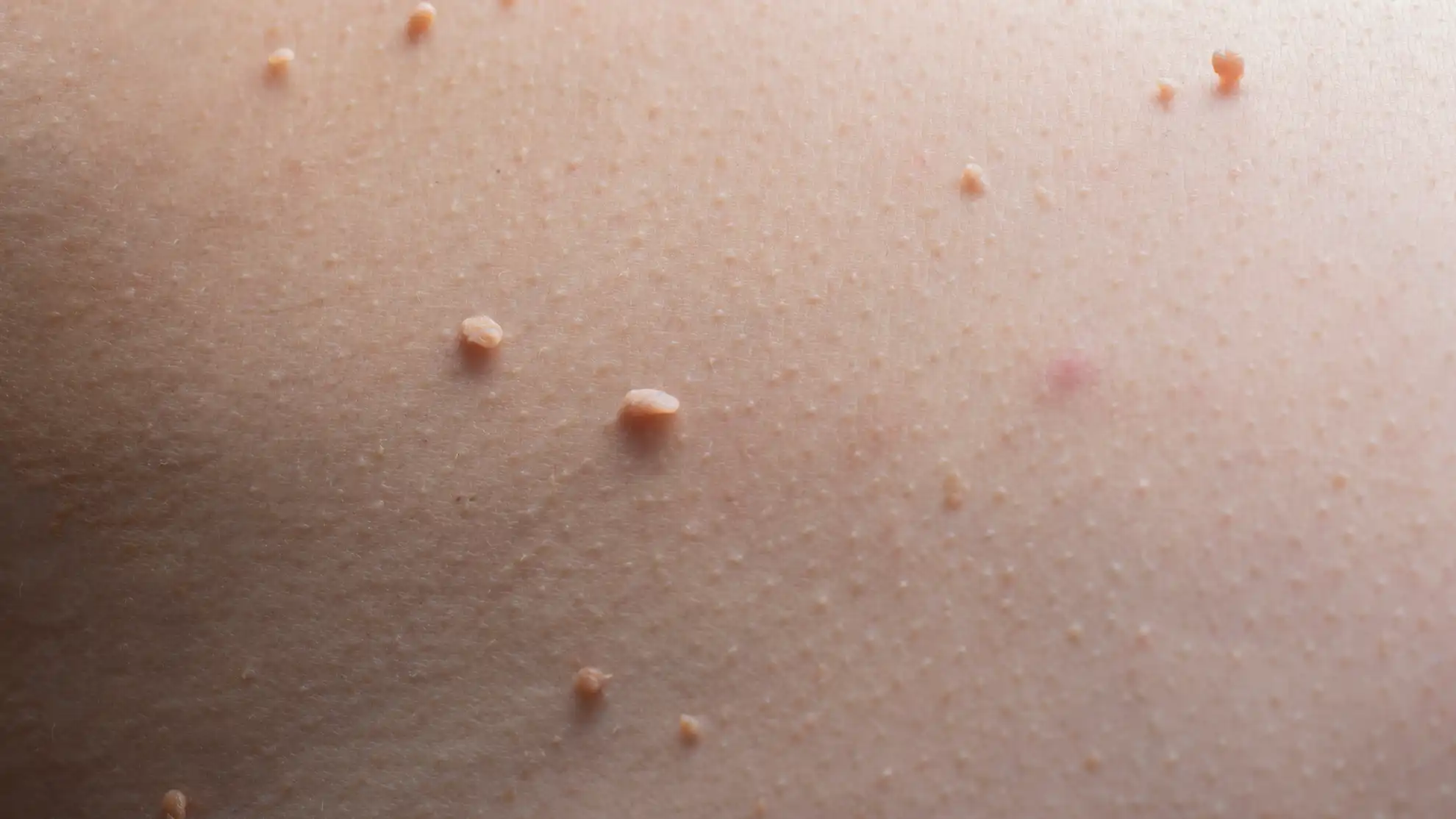
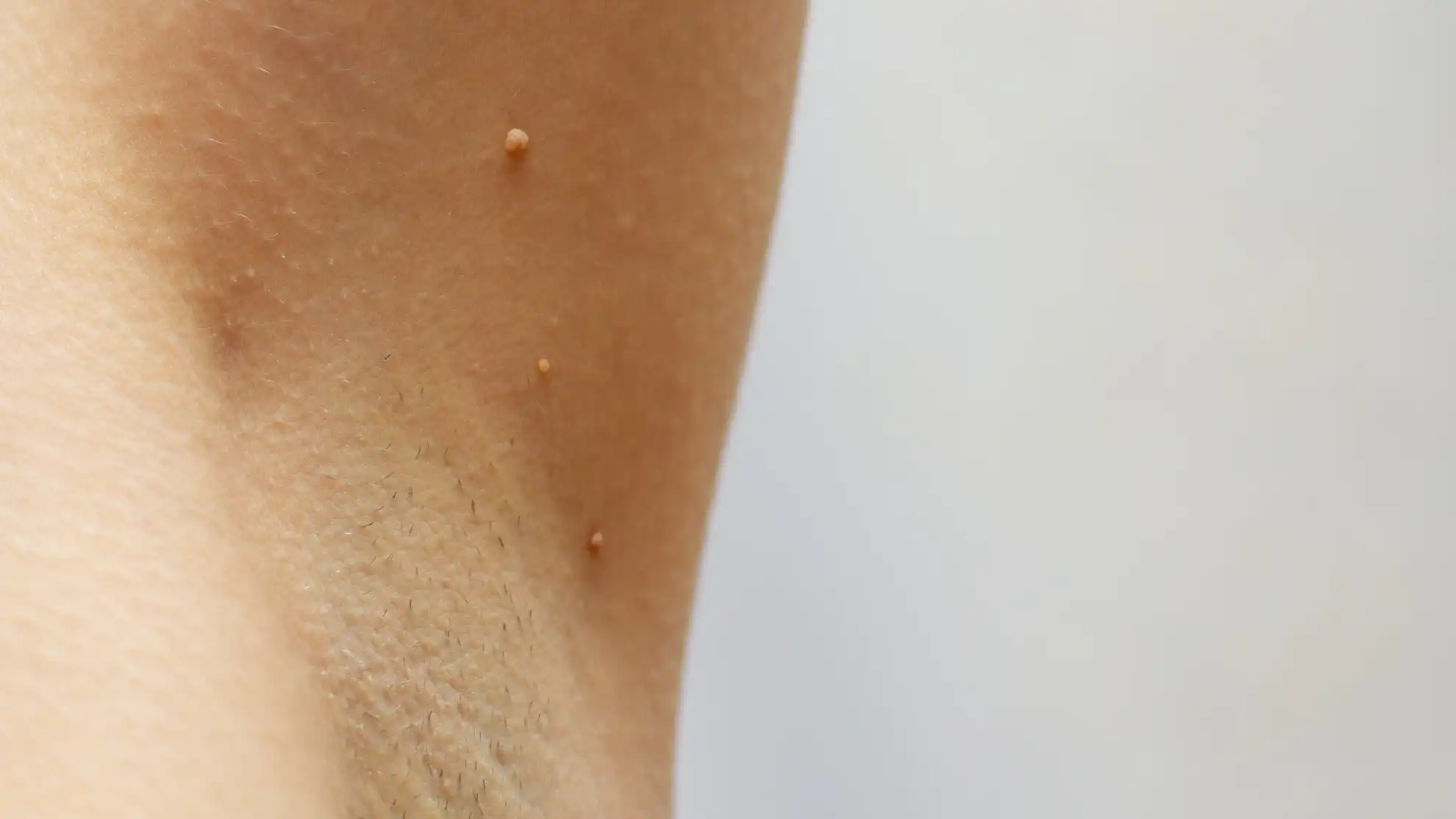
Papillomas are small, usually benign skin growths that can cause discomfort or be cosmetically bothersome. At the LINOVE Clinic, a dermatologist first examines the growths with a dermatoscope and recommends the most appropriate removal method—the Fotona® SP Dynamis laser, electrocoagulation, or cryodestruction with liquid nitrogen. If no additional testing is required and the scope of the procedure allows it, removal can be performed during the consultation itself.

Make an appointment with a dermatologist if:

  • The growths get caught on clothing or jewelry, or are injured when shaving
  • Warts on visible parts of the body cause aesthetic discomfort
  • You want to have several papillomas examined and removed
  • the growth is painful, inflamed, bleeding, or has changed in appearance
  • You want to find out what a skin growth is and whether it needs to be removed

Book now

We will contact you shortly to clarify the procedure and time of your visit.

+37124401084

Starting at

 140,00

At a glance

A Brief Overview of Papilloma Removal

How to Prepare for a Visit

How to Prepare for a Visit

  • How to Prepare for a VisitNo special preparation is usually necessary. Please come to your appointment with clean skin, without applying any cream or makeup to the area to be treated.
  • How to Prepare for a VisitIf you have warts in your armpits or groin, do not shave that area the day before your appointment so as not to irritate your skin.
  • How to Prepare for a VisitAvoid sunbathing and tanning beds before your scheduled laser procedure. If your skin is recently tanned or sunburned, inform your doctor.
  • How to Prepare for a VisitTell your doctor about any medications you are taking, especially those that affect blood clotting, implanted electronic devices, cold urticaria, Raynaud’s syndrome, and a tendency to develop severe scarring. Also mention if you are pregnant, breastfeeding, or have inflammation or herpes outbreaks in the area to be treated.
  • How to Prepare for a VisitTaking into account your health condition and skin characteristics, the dermatologist will determine the most appropriate method and whether the procedure can be performed during this visit.

Procedure Overview

Procedure Overview

  • Procedure OverviewA LINOVE dermatologist first examines the lesions with a dermatoscope, explains the findings, and discusses the scope and cost of the procedure before it begins.
  • Procedure OverviewThe doctor selects the removal method based on the type, size, and location of the growth, explaining the expected outcome and the healing process.
  • Procedure OverviewFor your comfort, the doctor will use local anesthesia as needed—either an anesthetic cream or an injection.
  • Procedure OverviewA laser removes the tissue of a lesion layer by layer, electrocoagulation uses heat, and liquid nitrogen freezes it. Treatment of a single lesion is usually brief.
  • Procedure OverviewThe doctor treats each lesion individually, controlling the extent of the treatment and protecting the surrounding skin.
  • Procedure OverviewA consultation and removal usually take about 30 minutes. The duration of the visit and the number of visits depend on the number and size of the growths and the method chosen.
Post-Treatment Skin Care

Post-Treatment Skin Care

  • Post-Treatment Skin CareA small cut or scab may form at the treated site; mild redness and tenderness may occur initially.
  • Post-Treatment Skin CareA blister may form after treatment with liquid nitrogen. Do not puncture it yourself; if it is large or painful, contact the clinic.
  • Post-Treatment Skin CareThe scab usually falls off on its own within 7–14 days, but the healing process may take longer. Do not pick at it to minimize the risk of scarring and changes in skin pigmentation.
  • Post-Treatment Skin CareTake good care of the treated areas: wash and dry them gently without rubbing. Use care products and bandages as directed by your doctor.
  • Post-Treatment Skin CareUntil the skin has healed, avoid rubbing or scratching the treated area, as well as applying makeup to it, and avoid saunas, swimming pools, and sunbathing.
  • Post-Treatment Skin CareWhile the wound is healing, protect the treated area from the sun. Once the wound has healed, apply SPF 50 to exposed areas and continue protection as recommended by your doctor.
  • Post-Treatment Skin CareIf redness, swelling, or pain worsens, or if you develop a purulent discharge or a fever, contact the clinic.
Expected result

Expected result

  • Expected resultThe purpose of the procedure is to remove the benign growth that has been evaluated. Sometimes, repeat treatment is necessary to ensure complete removal.
  • Expected resultAfter healing, the skin may remain redder, lighter, or darker than the surrounding skin for some time. These changes usually fade gradually over the course of several months.
  • Expected resultThe risk of scarring or long-term changes in pigmentation cannot be completely ruled out. This risk depends on the size of the lesion, the depth of treatment, individual skin characteristics, and post-procedure care.
  • Expected resultRemoval does not prevent new papillomas from forming in other areas of the skin.
  • Expected resultResults and healing time vary from person to person. Your dermatologist will advise you on whether and when a follow-up visit is necessary.
Number of visits required

Number of visits required

  • Number of visits requiredA single procedure is often sufficient to remove small papillomas.
  • Number of visits requiredRepeat treatment may be necessary after cryodestruction. The doctor will determine whether repeat treatment is necessary and when it should be performed after the skin has healed and the results have been evaluated.
  • Number of visits requiredIf there are many lesions, their removal can be spread out over several visits, taking into account the extent of the treatment and the skin's healing process.
  • Number of visits requiredFollow-up visits are scheduled based on the doctor's recommendations and the patient's progress.
  • Number of visits requiredIf the treated area does not heal, the thickening persists, or the lesion reappears, make an appointment to see a dermatologist.
1 /

How are papillomas removed at the LINOVE Clinic?

Papillomas can be removed using a laser, electrocoagulation, or liquid nitrogen. The methods differ in terms of their effects and the healing process. After an examination and dermatoscopy, the doctor will choose the most appropriate method, taking into account the characteristics of the lesion, its location, and the condition of your skin.

Fotona® SP Dynamis — Er:YAG Laser

The Er:YAG laser allows for the removal of lesion tissue layer by layer, with precise control over the treatment depth. The doctor adjusts the laser settings to the lesion and the treatment area to minimize damage to the surrounding skin. After the procedure, a small wound remains that requires gentle care.

Electrocoagulation

Using heat generated by high-frequency electrical current, the doctor treats the tissue of the growth while simultaneously reducing bleeding from small blood vessels. This method can be used for small papillomas, including those on a stalk. If you have a pacemaker or another implanted electronic device, you must inform your doctor of this before the procedure.

Cryodestruction with liquid nitrogen

Liquid nitrogen freezes the tissue of the lesion, which gradually sloughs off after treatment. A blister or scab may form during the healing process. The doctor determines whether this method is appropriate for the specific lesion and skin area; sometimes, repeat treatment is necessary.

The LINOVE Approach to Papilloma Removal

  • Individualized treatment selection: The dermatologist takes into account the characteristics of the lesion, its location, and your overall health.
  • A clear plan of action: Before the procedure, we discuss the chosen method, the extent of the treatment, the costs, and the expected recovery time.
  • Pre-procedure evaluation of the lesion: The doctor performs a dermatoscopy and, if necessary, recommends additional testing or a biopsy.
  • Post-procedure care instructions: We explain how to care for the treated area and when to contact the clinic.

Three removal methods allow the procedure to be tailored to each patient. A LINOVE dermatologist helps you choose the right solution, taking into account both medical safety and the desired aesthetic result.

When should you see a dermatologist about papillomas?

Everyday discomfort, aesthetic concerns, and changes that require a doctor’s attention

If papillomas cause discomfort

Veidojumi uz kakla, kurus regulāri kairina apkakle vai rotaslietas

Veidojumi padusēs, kas tiek traumēti skūšanās laikā

Veidojumi zem krūtīm vai cirkšņos, kas berzes dēļ rada diskomfortu

Veidojumi uz plakstiņiem, kas rada diskomfortu vai estētisku traucējumu

Vairākas sīkas papilomas vienā ādas zonā, kuras vēlaties izvērtēt un noņemt

Papilomas redzamās ķermeņa vietās, kas traucē jūsu ikdienas labsajūtai

If the growth changes or causes concern

Veidojums ir iekaisis, jutīgs vai sāpīgs

Veidojums asiņo, ir traumēts vai pēkšņi kļuvis tumšāks

Veidojums strauji aug vai pēdējā laikā ir manāmi palielinājies

Mainījusies veidojuma krāsa, forma vai virsma

Veidojums izskatās atšķirīgs no pārējiem ādas izaugumiem

Vēlaties noskaidrot, kas ir ādas veidojums un vai to drīkst noņemt

When a doctor recommends removal

Veidojums tiek atkārtoti traumēts un rada sāpes vai asiņošanu

Veidojuma apvidū atkārtojas kairinājums vai iekaisums

Ārsts iesaka veidojuma noņemšanu kā daļu no individuālā ārstēšanas plāna

Neskaidra vai aizdomīga veidojuma izmeklēšanai ārsts iesaka biopsiju vai izņemšanu ar histoloģisku izmeklēšanu

Specialists

Specialists who perform papilloma removal

FAQ

Frequently asked questions

Is removing a wart painful?

The sensations depend on the method chosen, the size of the lesion, and its location. You may experience a brief burning or stinging sensation. To minimize discomfort, the doctor will use local anesthesia as needed.

How long does a visit to have warts removed take?

The consultation and removal usually take about 30 minutes. If there are many growths or if additional testing is needed, the doctor will adjust the scope of the procedure and the schedule for follow-up visits.

Why is a dermatologist's examination necessary before removal?

Skin lesions may look similar, but their causes and treatments differ. A dermatologist performs an examination and dermoscopy to determine whether the lesion can be removed using the chosen method or if further testing is needed first.

How do you choose the most appropriate removal method?

A LINOVE dermatologist will choose between laser treatment, electrocoagulation, or cryodestruction, taking into account the type, size, and location of the lesion, as well as the specific characteristics of your skin. The procedure and its cost will be discussed before removal.

Could there be a scar after removal?

After the removal of minor superficial lesions, the skin usually heals with only minor temporary changes. However, the risk of scarring or changes in pigmentation cannot be completely ruled out. This is also influenced by individual skin characteristics and post-procedure care.

How long does it take for the skin to heal after the procedure?

A small wound usually heals within 7–14 days, but healing may take longer after more extensive treatment. It may take several months for the skin tone to even out. Follow your doctor’s aftercare instructions and protect the treated area from the sun.

Can warts recur?

A lesion that has been completely removed usually does not recur, although repeat treatment is sometimes necessary. The procedure does not prevent the formation of new papillomas. If a growth reappears in the same place, it is recommended that you have it examined by a dermatologist.

When should removal be postponed, or should a different approach be chosen?

If a lesion is unclear or raises concerns, the doctor may recommend a biopsy or excision followed by histological examination. The procedure may also be postponed due to active inflammation or other health conditions. The most appropriate course of action will be determined during the consultation.

Can a wart be removed at home?

We do not recommend cutting, tying off, or treating the growth with caustic substances at home. This can cause bleeding, infection, or scarring, and without a doctor’s examination, it is possible to misidentify the type of growth.