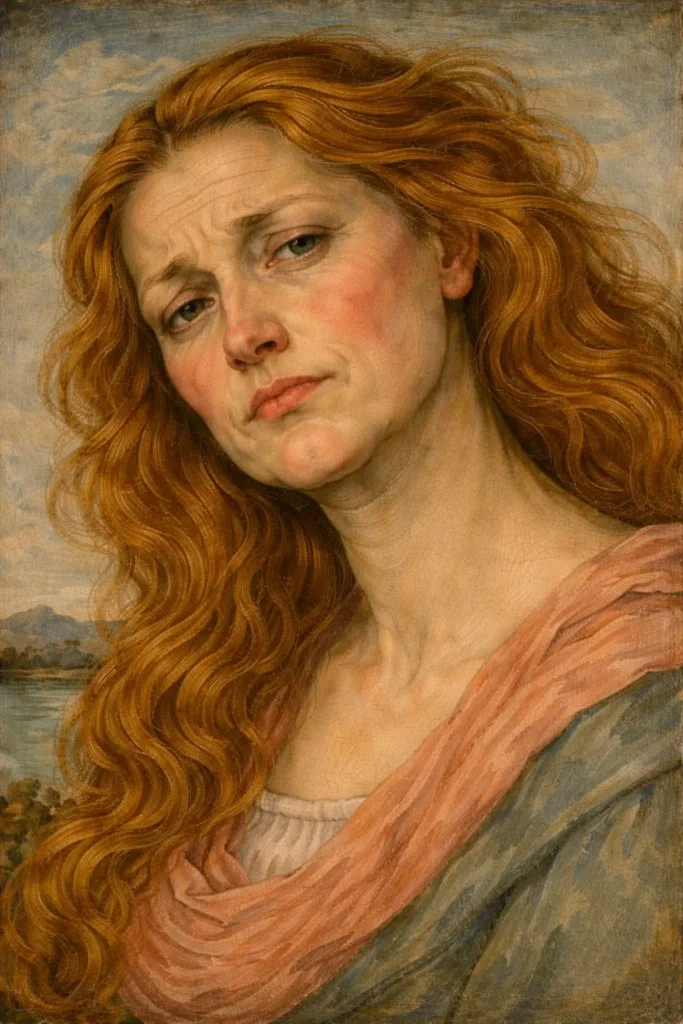
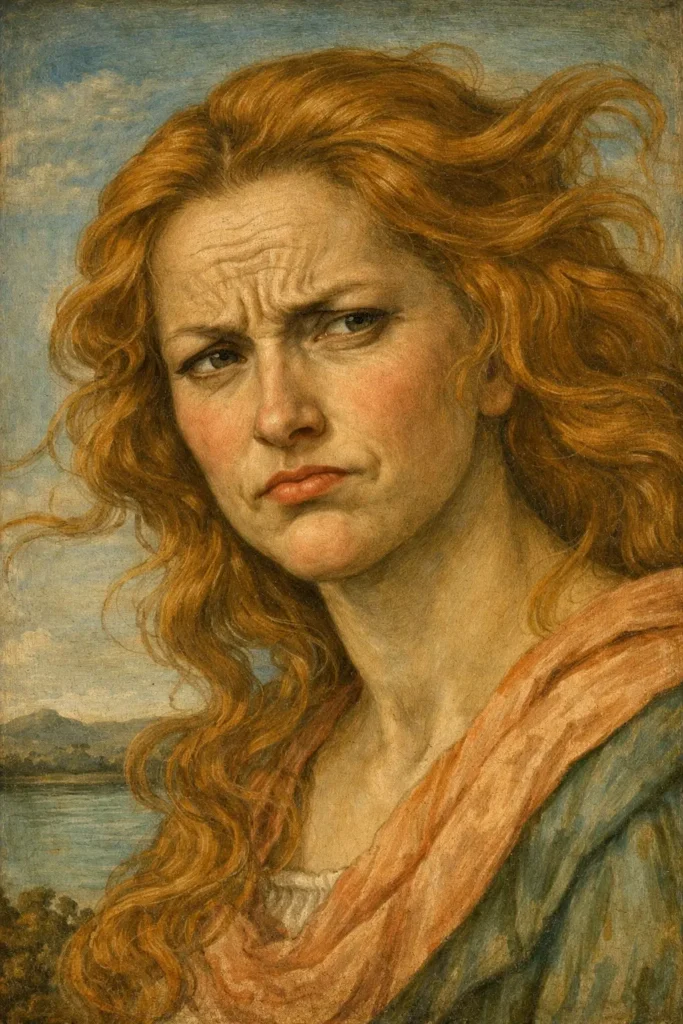
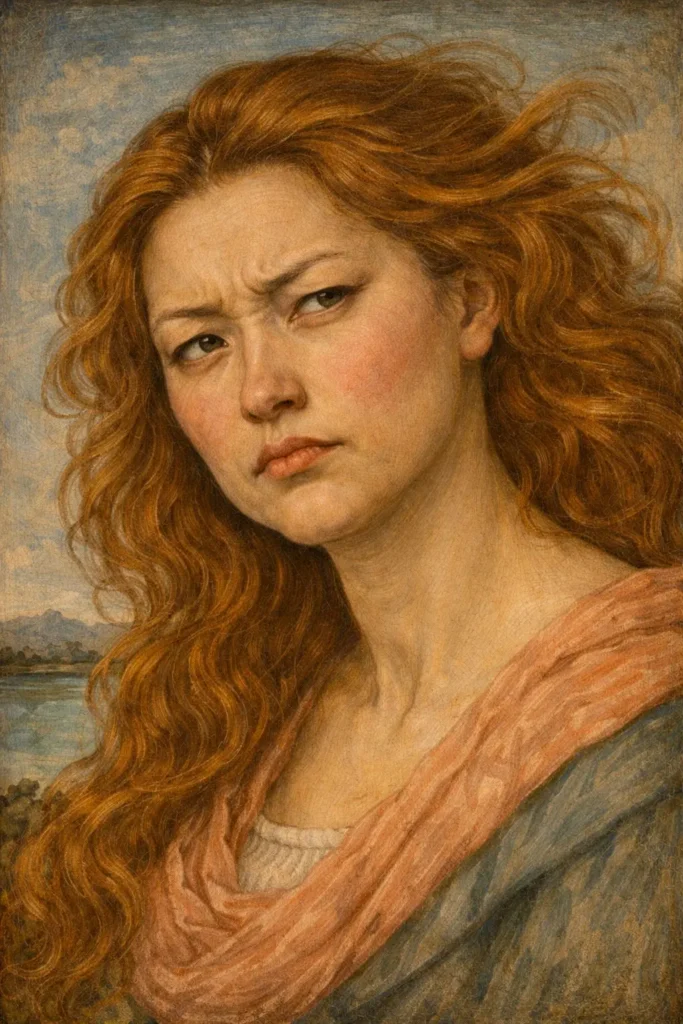
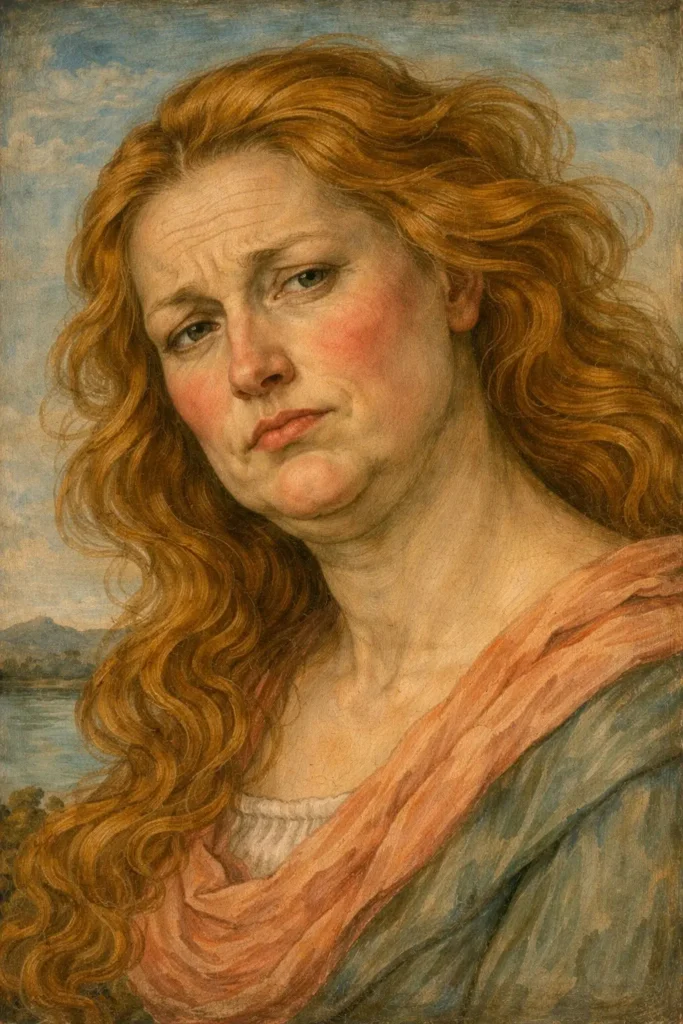
What is an ageing facial morphotype
By morphotype, I mean the exact way in which your facial tissue changes over time: whether it's predominantly volume loss, or tissue sagging, or pronounced wrinkling, or a combination.
It is important to remember that a morphotype is not a "judgement" and there is no one label for life. It is a clinical model that helps to predict how the facial structures will behave and where procedures will produce harmonious results, but where they may create unnecessary risks.
Why morphotype changes the procedure plan
In aesthetic medicine, mistakes most often occur not because a technique is "bad", but because it is used on the wrong patient, at the wrong time or in the wrong sequence.
The morphotype helps answer three practical questions.
1. What we treat first
For some patients, it is logical to start with skin quality, in other cases the priority is to support the deeper tissues or to control mimicry. If the sequence is not correct, the result may be temporary or visually "severe".
2. What to combine and what not to combine
Different treatments can enhance each other's effect, but can also accumulate puffiness, change facial dynamics or create disproportion. That's why I always plan combinations as a single course of treatment rather than as separate random visits.
3. What we deliberately refrain from
This is essential. There are situations when, for example, excessive volume addition or aggressive "lifting" with injections is not the best choice for a particular face type. It is then my duty to explain why I will not do it and to offer a safer alternative.
Practical examples of how the morphotype is reflected in the face
In my daily work, I see that patients often recognise themselves in one of these areas. In reality, however, there are most often mixed variants.
Dominance of volume loss
Complaints usually include a "tired" appearance, sharper nasolabial grooves, hollowing under the eyes, and more pronounced bony relief. Superficial skin care is not enough here, but it is also unwise to tackle everything with large volumes in one visit. I usually think in terms of gradualness, proportion and tissue biology.
Predominance of tissue droop and gravity
In such cases, blurring of the cheeks and jawline, "bulldogs" and changes in the chin area are more common. Here, excessive use of fillers can make the face look more massive. It is often important to assess the anatomy and habits of the neck, chin and lower third of the face, such as biting or mimicry.
Prevalence of wrinkles and skin quality
If fine lines, dryness and signs of photoageing are prevalent, the key is to restore the skin barrier and stimulate it in a controlled way. Here again, I always assess for inflammatory background, sensitivity or active dermatoses, as these change the safety profile.
Safety and individual factors I always consider
Morphotype alone is not enough for a reliable and predictable treatment plan. I always discuss:
- general health, medicines and allergies
- autoimmune and chronic inflammatory diseases, if known
- the state of your skin today, not just "how you want to look"
- previous procedures and their impact
- lifestyle, sleep, UV exposure, smoking
Sometimes the right decision is to postpone the procedure, take a gentler approach or start with a curative dermatological plan.
What the patient can expect from the consultation
I believe that a quality aesthetic medicine consultation is not a "catalogue procedure". It is a diagnosis and a strategy. The goal is a natural, healthy appearance and the preservation of tissue function, not a quick fix at any price.
Conclusions
The ageing face morphotype is a practical tool that helps me as a doctor to choose the most appropriate groups of treatments, their sequence and combinations, and to clearly define the limits of what is not recommended for a particular patient. However, the final plan is always determined by an individual examination and health assessment. If you want to understand exactly what is the matter with your face, a personalised consultation with your doctor and a step-by-step, well thought-out plan is the safest way to go.