It's a very valid question, because there are many devices on the market, many promises and also many different skin types. In addition, the procedure itself often seems simple, but it is the details that determine the results and safety.
As a dermatologist and immunologist, I regularly participate in physician education events and presentations on Fotona® technology, IPL and complications after aesthetic manipulation. This reminds me of one thing: safety starts before the first pulse or flash. Therefore, in this article I will give you a practical, easy-to-understand guide on how to assess the suitability of the procedure for your patient.
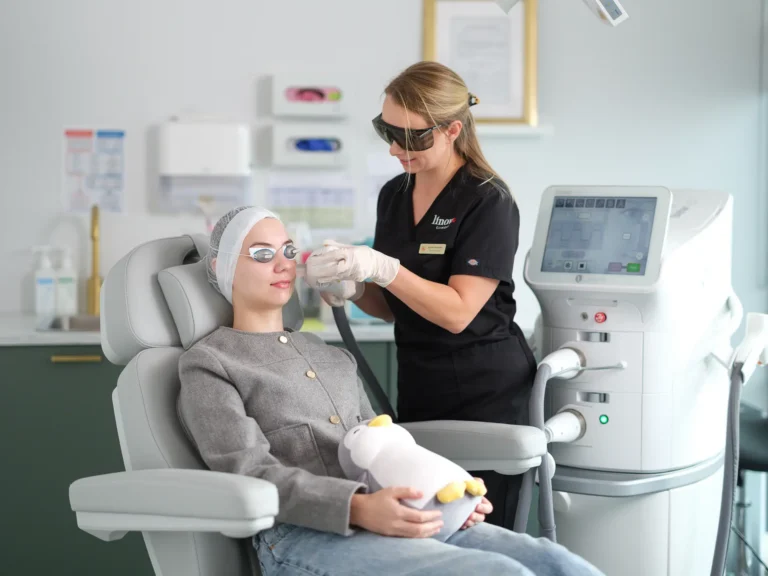
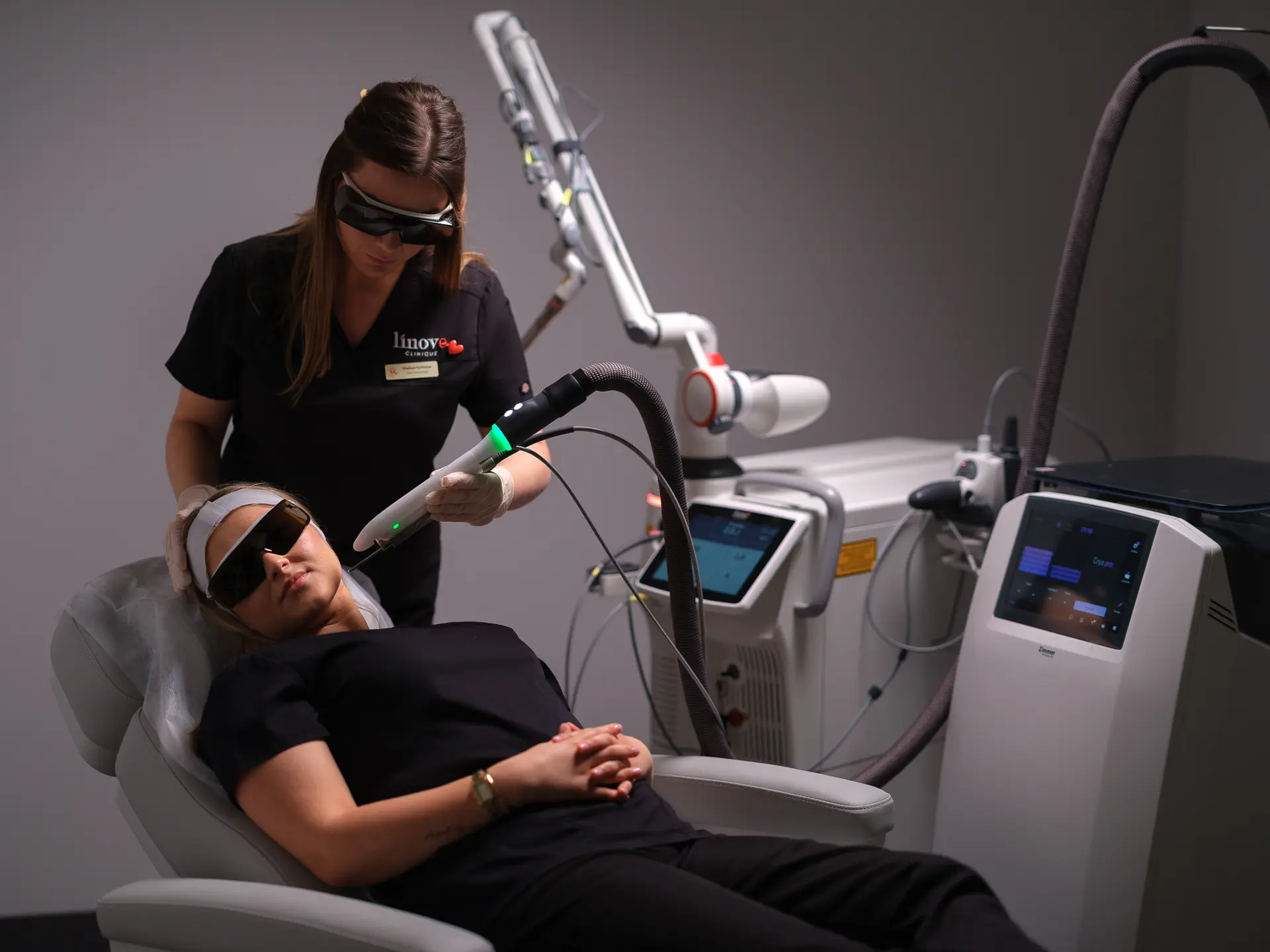
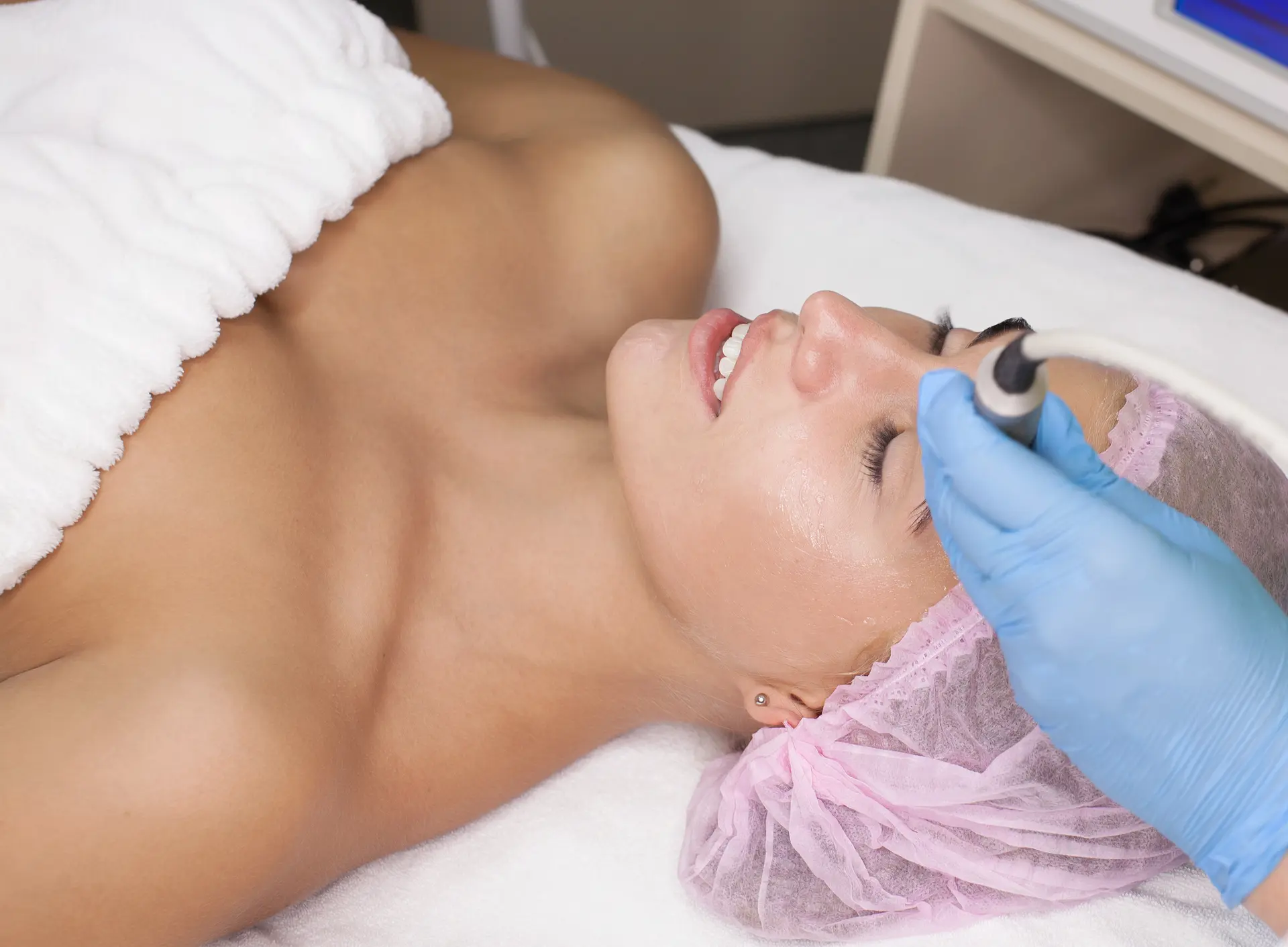
Laser and IPL: what they are and how they differ
Simply put, both lasers and IPL use light energy to target a specific structure in the skin.
Laser
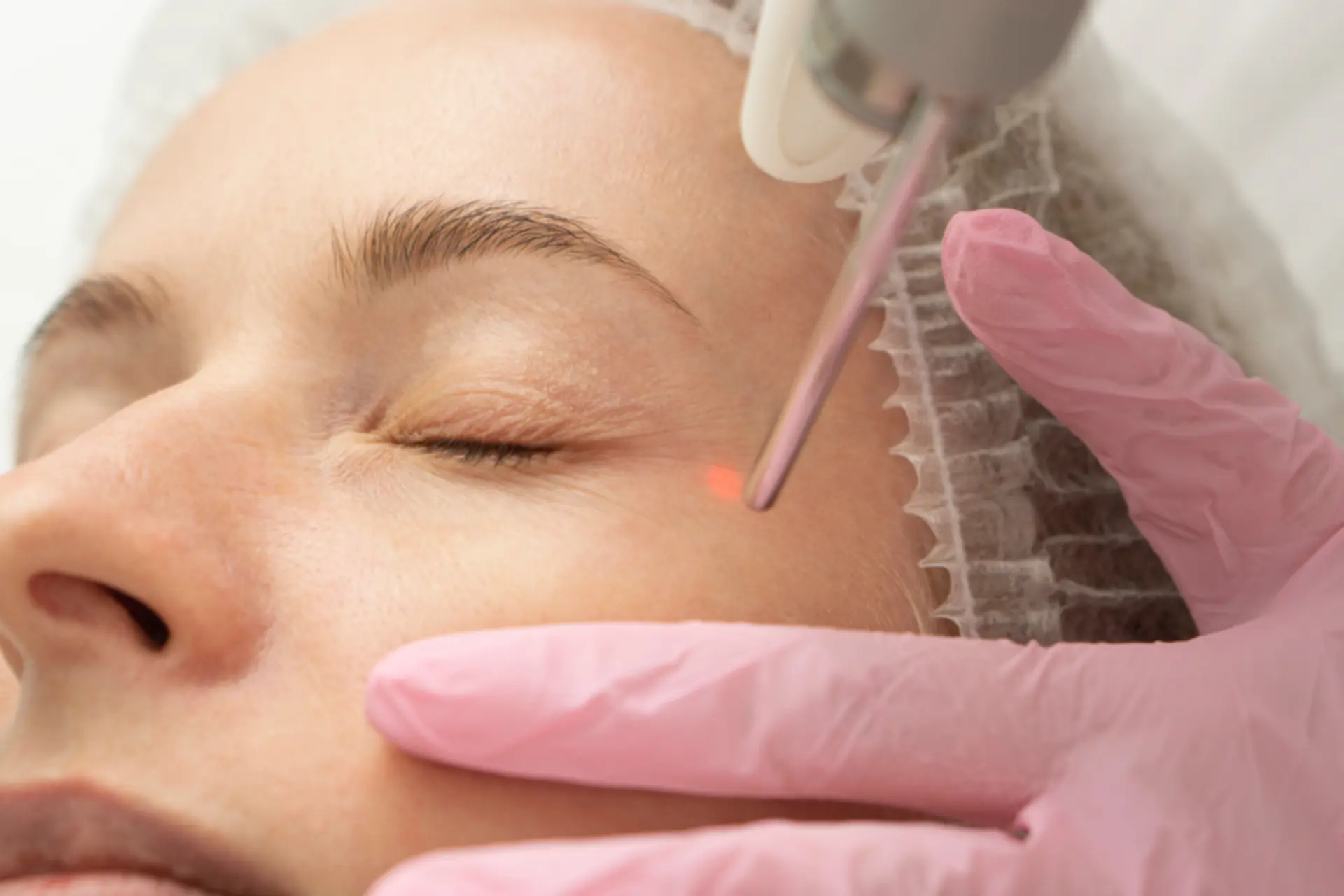
A laser usually has a specific wavelength and a more precise target. Depending on the type, it can work on blood vessels, pigment, scar tissue restructuring or hair follicles.
IPL
IPL is intense pulsed light with a broader spectrum. It is often used to reduce pigmentation and redness, signs of photo-ageing, and sometimes to reduce hair. However, the safety and effect of IPL depend very much on the settings, filters and experience of the operator.
Most important: there is no "best machine for all". There is a "one size fits all" solution for a specific problem and a specific skin.
For whom laser treatments and IPL are usually chosen
The most common reasons why patients consider these procedures are:
- facial redness and visible capillaries
- sun-induced pigmentation and uneven tone
- acne scars and skin texture
- signs of photoageing, dulling
- unwanted hair
But indications alone are not enough. Skin type, seasonality, tanning, care habits and health factors should always be considered.
Security: the most common risks and how to mitigate them
Early recognition of complications is particularly important to me in aesthetic medicine. This also applies to light procedures.
Possible side effects
Depending on the procedure and the skin's reaction:
- temporary redness and swelling
- transient pigmentation enhancement
- burn, crusting, less commonly scarring
- post-inflammatory hyperpigmentation, especially in darker skin types
- herpes virus activation in predisposed patients
These risks are not a reason to refuse the procedure, but a reason to carry it out in a medically correct way and with an individual plan.
What has the biggest impact on safety
- Correct diagnosis. For example, not every "red cheek" is just couperose.
- Skin type and tan. The more melanin, the more carefully the parameters need to be chosen.
- Medications and habits. Some medications may increase photosensitivity.
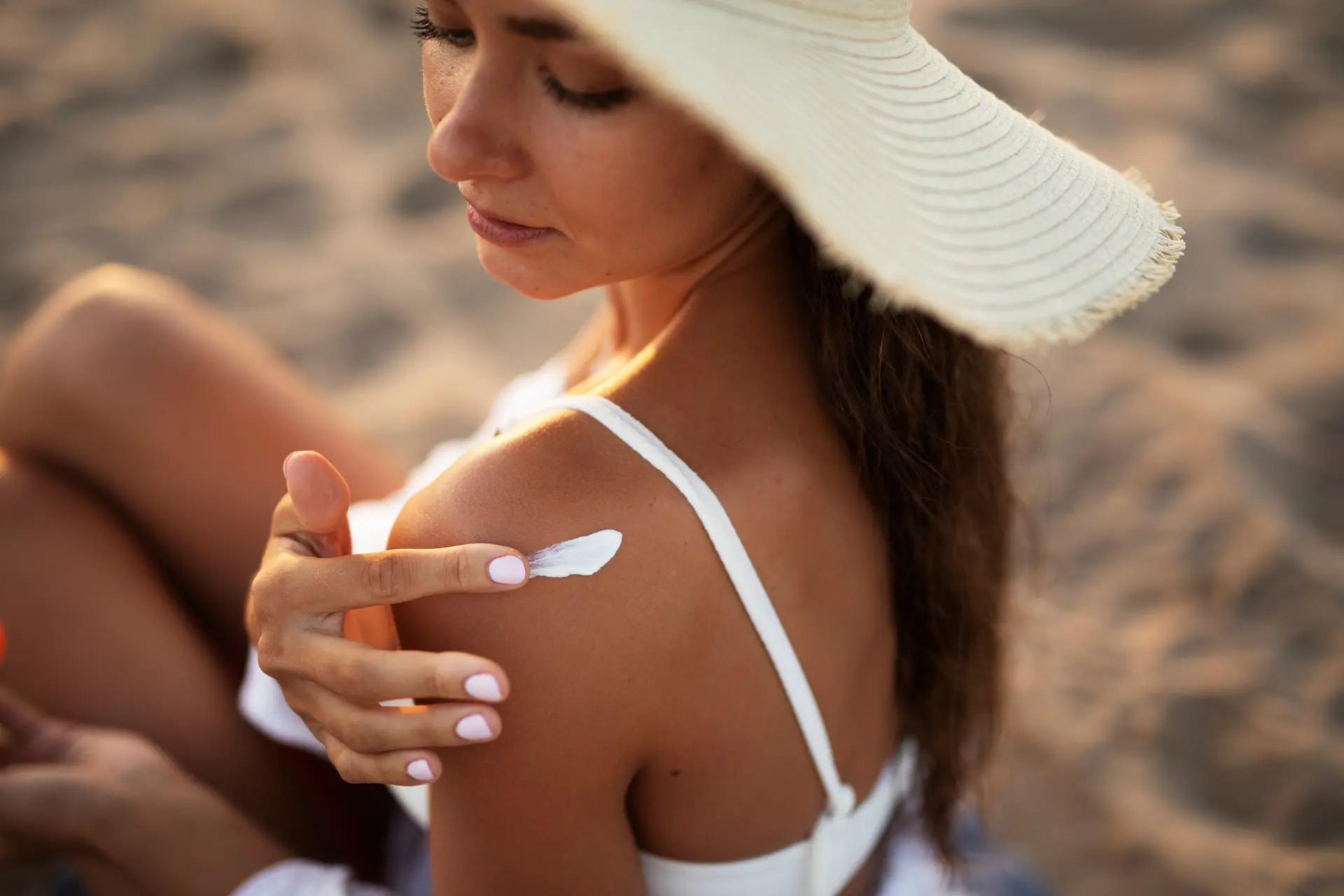
- Aftercare. Sun protection is not a formality, it is part of the treatment.
How to have a quality pre-procedure consultation
It is a good sign that a doctor or specialist is not rushing to "do the procedure". I usually discuss before choosing:
- what exactly the patient wants to improve and within what timeframe
- skin care routines and irritation episodes
- experience and reactions from previous procedures
- tanning and travel plans
- chronic skin diseases such as rosacea or atopy
Often, it becomes clear during the consultation that we need to change the sequence: first we calm the skin barrier, then treat the inflammation, and only then we plan IPL or laser.
Restrictions and when to wait
There are situations where the procedure may have to be postponed or another solution chosen:
- fresh tan or regular sunbathing
- active dermatitis, marked irritation or infection in the treatment area
- pigmented lesions of unclear origin, which should first be assessed dermatologically
- pregnancy and lactation, where there is insufficient certainty of suitability for the indication
This is not a "no-no list", but the logic of safe medicine: first stabilise the situation, then work on aesthetics.
What the patient can do to make the outcome more predictable
Practical suggestions that usually improve the procedure:
- Avoid tanning for 2 to 4 weeks before treatment and use SPF daily
- do not use aggressive exfoliants and irritating products for a few days before and after
- inform your doctor about all medicines and supplements
- after the treatment, follow a soothing treatment and strict sun protection
In conclusion: the best "apparatus" is a properly chosen plan
Laser and IPL treatments can be very valuable tools for improving pigmentation, redness and skin quality, if chosen according to the diagnosis and skin characteristics. My professional conviction, reinforced by my work in a medical environment and regular clinical analyses, is simple: a personalised approach, clearly communicated risks and careful aftercare are the most reliable results.
If you are considering laser or IPL, start with a consultation where the main goal is to understand your skin, not just to "do the procedure". This is how a safe and predictable path to better skin health and appearance is created.