Patients often ask me two related questions: whether SPF 100 is real or just marketing, and why zinc oxide is so rarely seen in sunscreens. Both questions are very valid, as they concern both the effectiveness of protection and the tolerability for sensitive skin.
In this article, I'll explain what SPF really means, why high numbers can be misleading, and how to navigate between "chemical" and mineral filters, including zinc oxide.
What does SPF really mean
SPF, or sun protection factor, has historically been associated mainly with UVB radiation, which causes skin redness and sunburn. Simplified, it describes how much longer the skin could withstand the sun before reddening if the cream is applied correctly and in sufficient quantity.
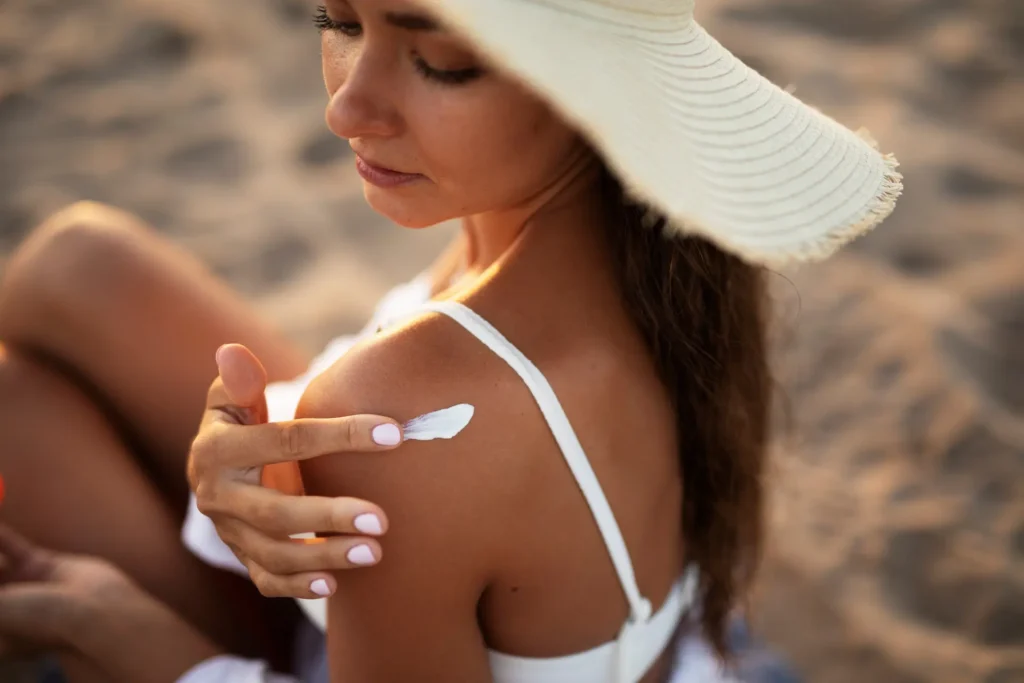
Here's the important nuance: most people don't apply enough product on a daily basis. So even a good SPF 50 can "work" in practice as a much lower factor if the layer is thin or the application is irregular.
Why SPF 50 is often enough
In my clinical practice, most of the problems are not "too low SPF" but application errors: not enough, not renewing, skipping for ears, nose, neck, hairline, hands.
A high SPF (e.g. 50), when used correctly, usually provides a very high level of UVB protection. As the SPF number increases, the benefit becomes less, but the feeling that the protection is "twice as good" can lead to false security.
Is SPF 100 a myth or marketing
SPF 100 as a label may exist in certain markets and under certain regulations, but what is medically important is to understand what it does for everyday behaviour.
A higher number does not eliminate the need to renew the sunscreen and does not address the issue of UVA radiation. UVA is associated with photo-ageing, increased pigmentation and may also contribute to skin cancer risk. Therefore, I always urge you to look not only at the SPF but also at the "broad spectrum" or UVA protection (e.g. UVA symbol in a circle or "broad spectrum", depending on the market).
Who can benefit from a very high SPF
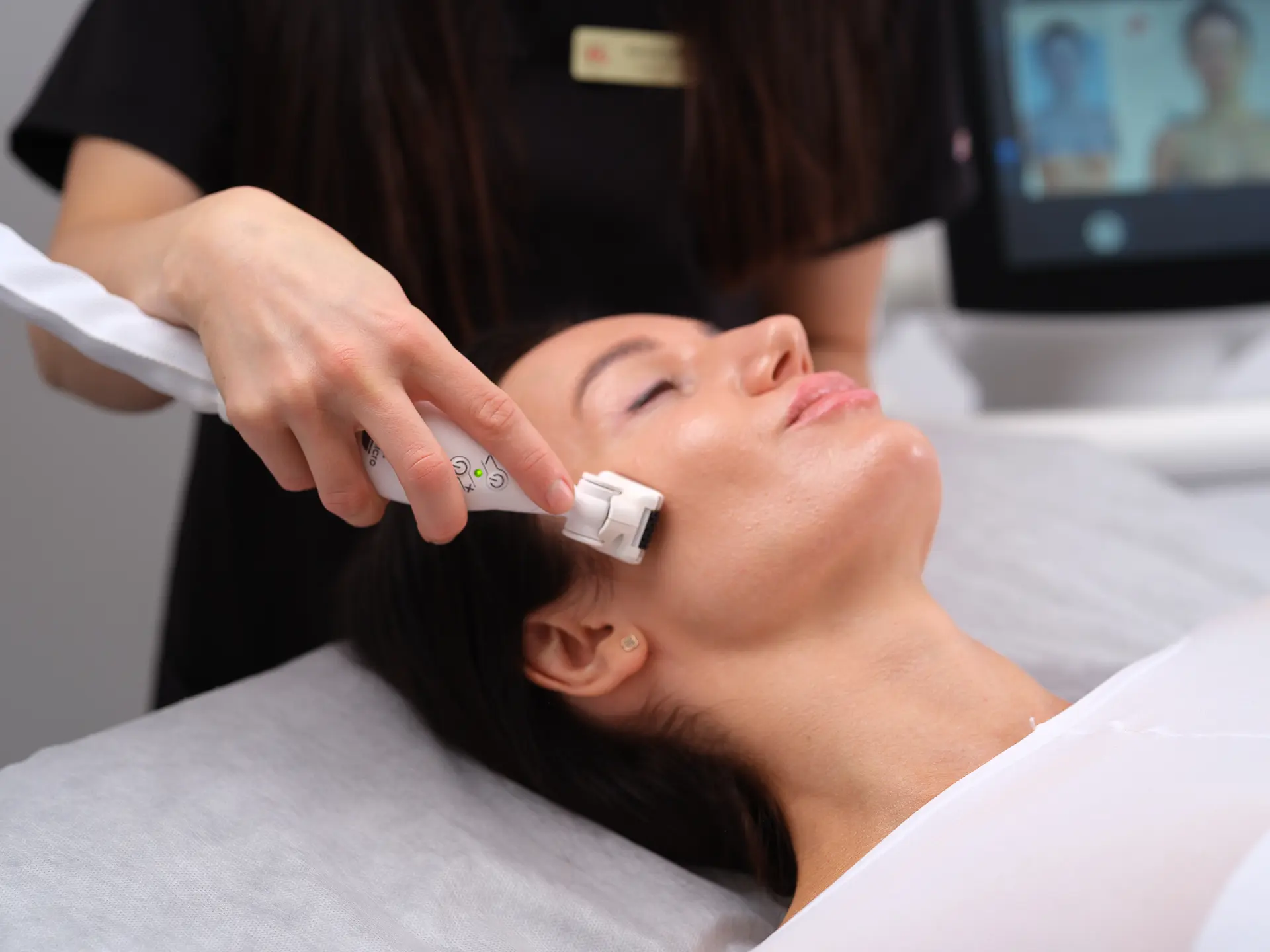
There are situations where I may advise a patient to choose a particularly high SPF: after certain aesthetic procedures, if there is a strong tendency to hyperpigmentation, or if the person is in intense sun for a long time. But even then, it is the regime that is the focus, not the number on the packaging.
Zinc oxide in sunscreens: why it is not seen so often
Zinc oxide is a mineral filter. Mineral filters are often chosen for sensitive skin, children, people with rosacea or after procedures, as they are usually well tolerated.
Why then does zinc oxide seem to be a "rarity"?
- Texture and cosmetic feel. Zinc oxide can leave a white film, especially on darker skin tones, and the cream may appear thicker.
- Complexity of formulation. To achieve a smooth coating, a pleasant feel and stability, the manufacturer needs to invest more technologically.
- Market demand. Many users prefer "invisible" fluids, which are more often provided by modern organic filters or combination formulas.
Zinc oxide and titanium dioxide: are they the same
Both are mineral filters, but they are not identical. In different combinations, they can give different protection profiles and different visual effects on the skin. In practical terms, this means: if maximum tolerance is important to you or you react to many products, mineral filters can be a good starting point, but the specific cream should be chosen individually.
How to choose a sunscreen for everyday use
To make your choice easier, I recommend the following principles:
- Choose SPF 30 to 50 for everyday use and make sure you have UVA protection.
- Look for a texture that you will actually use enough of.
- For sensitive skin, children or after treatments, consider mineral filters, including zinc oxide.
- Renew protection if you're outside for longer, sweating, swimming or wiping your face.
If you have acne, rosacea, atopic dermatitis or pronounced pigmentation, the choice of cream often needs to be tailored: a light fluid will suit one, a fragrance-free mineral formula will suit another.
Finally
SPF 100 is not in itself "magic" protection. Proper application, regular renewal and evaluation of UVA protection make the biggest difference. Zinc oxide has not disappeared, but it is more common in niche products and formulas where tolerability is the priority rather than total invisibility.
If you find it difficult to find a sun cream that doesn't irritate your skin, contribute to rashes or fit after procedures, this is best solved with an individual assessment, as the "best SPF" is always the one you can apply correctly and consistently.