We have received your message, and a confirmation has been sent to the email address you provided. Our team will review your request and contact you as soon as possible during our working hours. If you have any urgent questions, please contact us.
Modern aesthetic medicine: natural, safe and personalised
Aesthetic medicine today: not just lips and cheekbones
I am often asked: is aesthetic medicine today still just about lip augmentation, cheekbones and a quick visual effect? The question is understandable, because these are the procedures that are most often seen in public. However, in practice, I see aesthetic medicine in a very different way: as the preventive management of the ageing process, the maintenance of skin and deeper tissue function and the ability to maintain a harmonious, healthy appearance without exaggeration.
In this article, I will explain what modern aesthetic medicine actually involves, what the basic safety principles are and why an individual approach is more important than any “trendy” procedure.
What modern aesthetic medicine means
Aesthetic medicine has long been about more than just adding volume. It is increasingly about tissue quality: skin thickness, elasticity, moisture balance, pigmentation, vascular reactions, scarring and inflammation control.
As a dermatologist and immunologist, I pay particular attention to how the skin functions in everyday life. Skin is not just a “surface”. It is an organ that reacts to UV radiation, stress, sleep, nutrition, hormone fluctuations, the microbiome and chronic inflammation. The aesthetic result is therefore often a direct reflection of the health and biology of the skin.
What an integrated approach consists of
In practice, the best, most natural results usually come from combining several areas, rather than relying on a single method.
Dermatology and physiology of the skin
We start with the basics: skin type, sensitivity, barrier condition and risk of pigmentation. Dryness and irritation will be the main concern for one patient, while enlarged pores, acne or rosacea will be for another. A treatment that is ideal for one person may cause prolonged redness or exacerbation in another.
Immunology: inflammation and regeneration
Skin “ageing” is often also a story of chronic micro-inflammation. If the immune system is constantly activated, skin renewal can slow down, sensitivity increases, capillaries can become more pronounced and uneven skin tone can occur. I therefore always assess comorbidities, medications and the body’s reactions to trauma or procedures.
Rehabilitation and function
Aesthetics cannot be separated from function. For example, the tone of the soft tissues of the face, mimic habits, posture, even bite characteristics can influence how folds form and how the lower part of the face becomes “tired”. Sometimes the most sensible plan also includes rehabilitation elements, not just injections or apparatus procedures.
High-power technologies and minimally invasive techniques
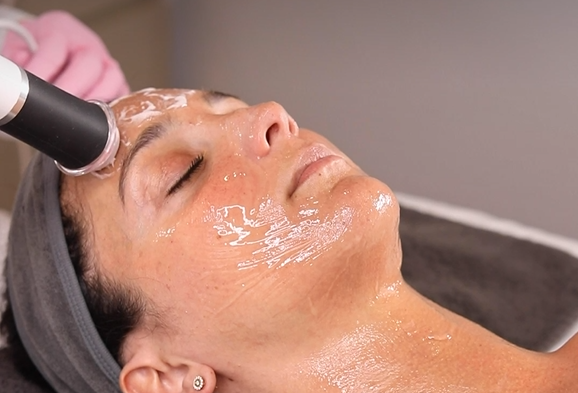
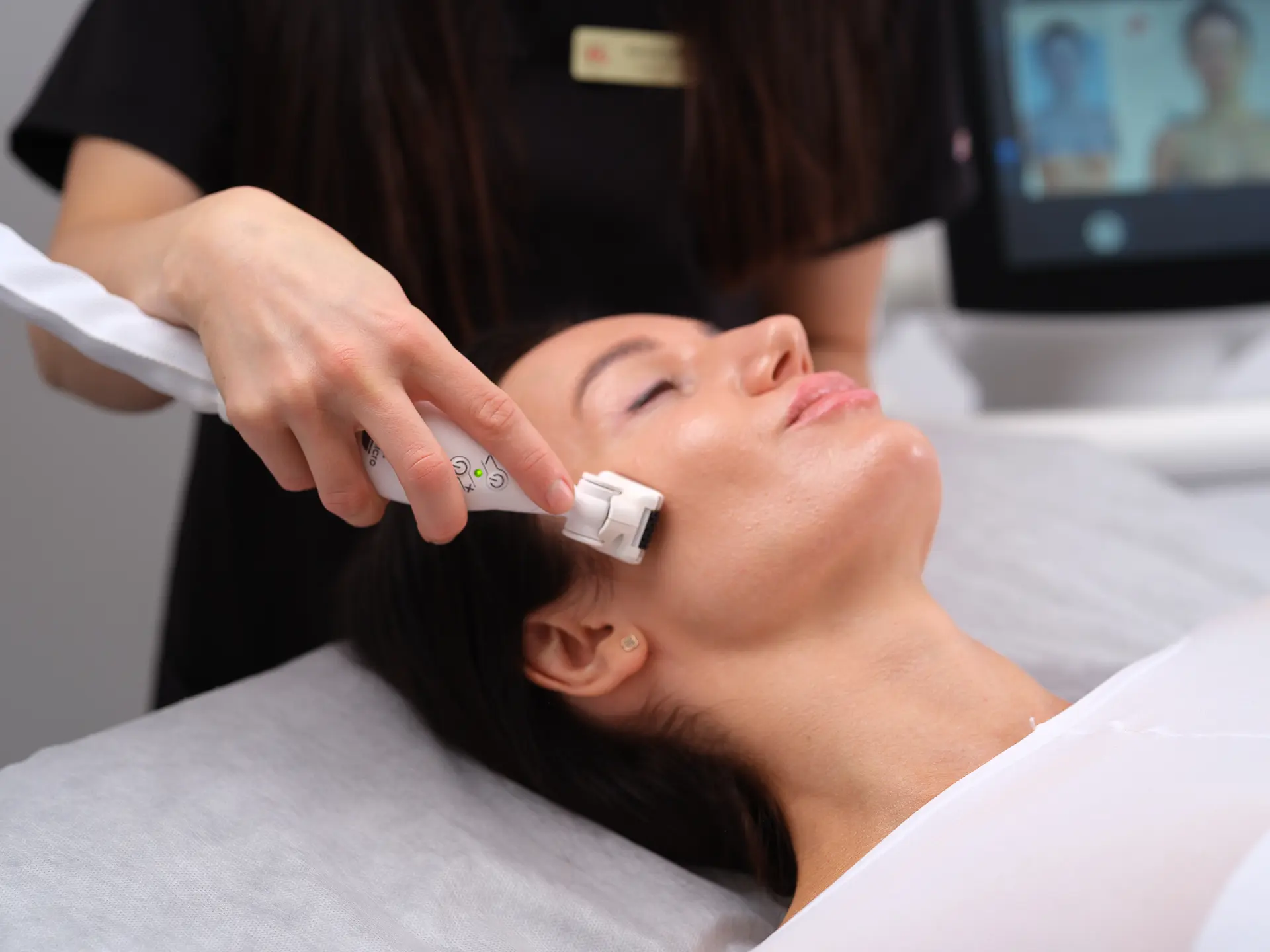
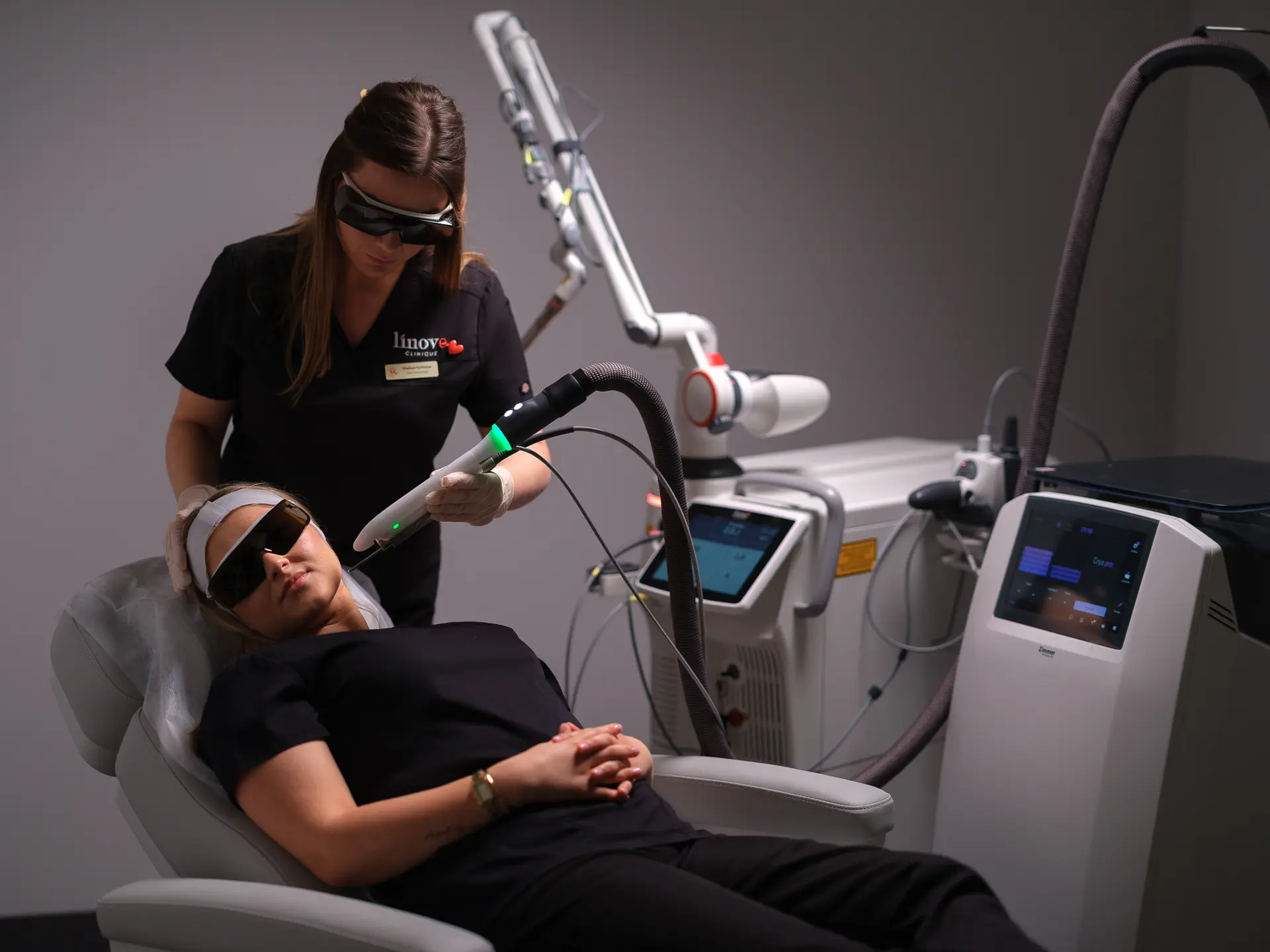
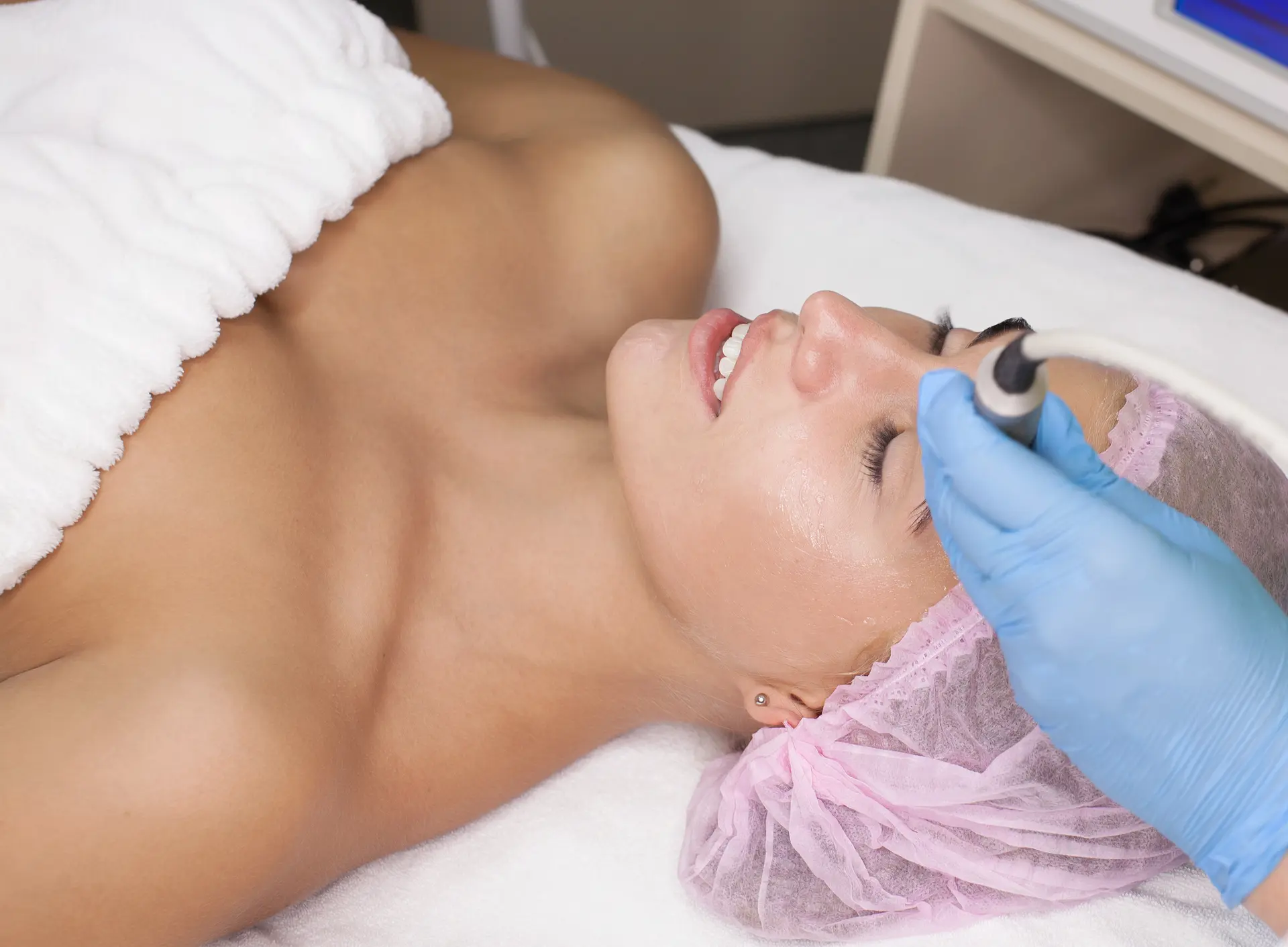
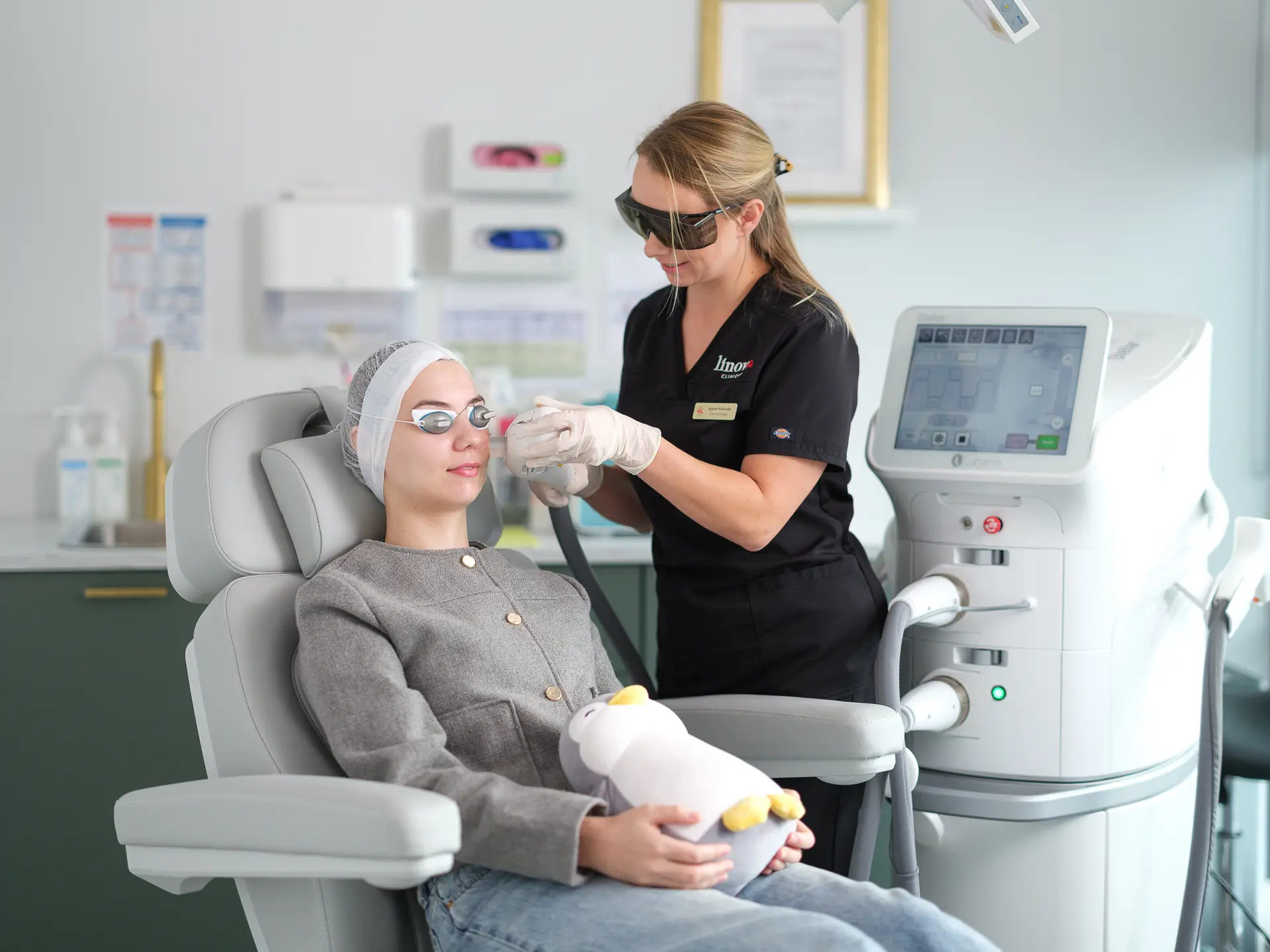
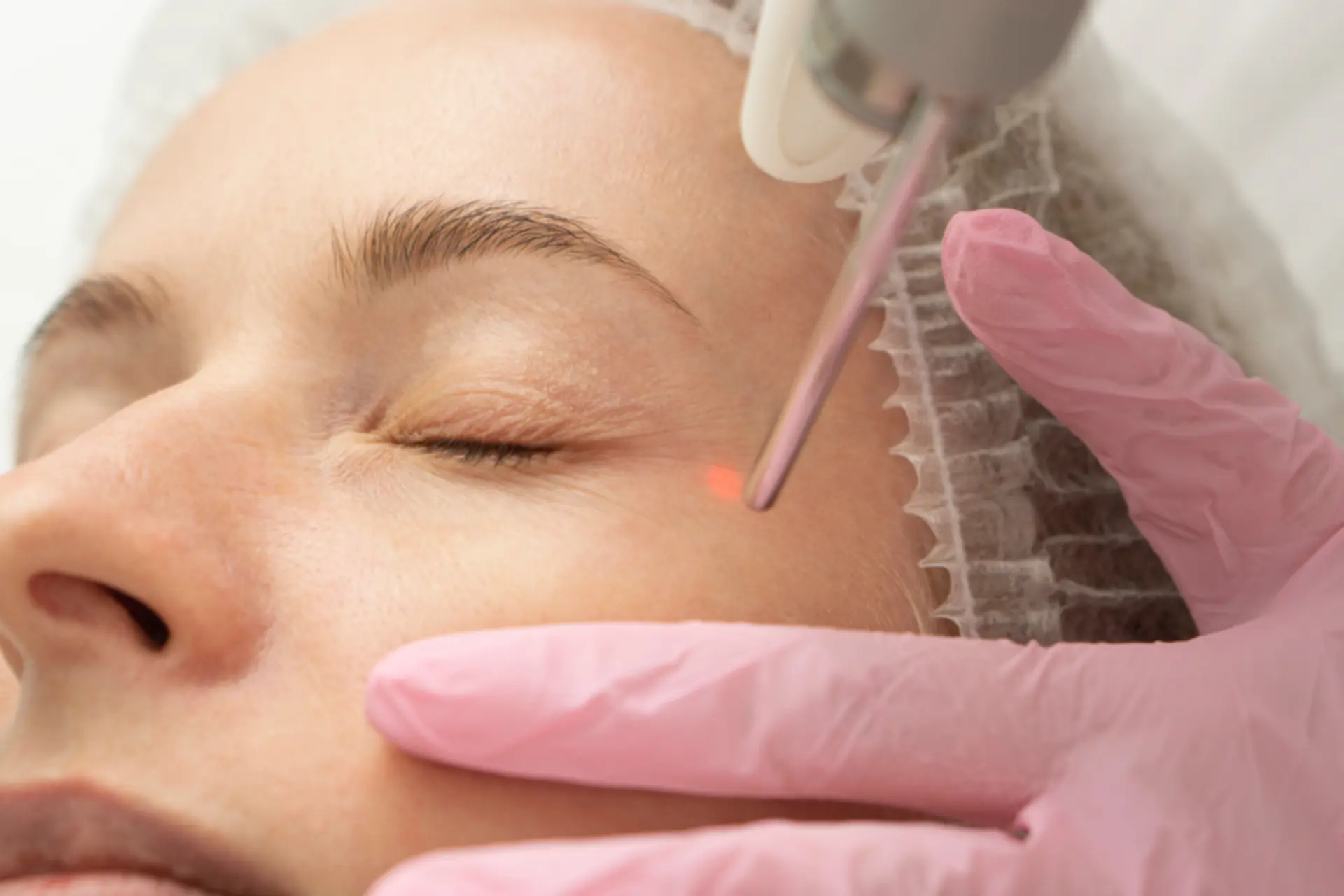
Apparatus procedures, lasers and other technologies can help with skin texture, tone and stimulate rejuvenation. Injections or minimally invasive corrections can address specific anatomical changes. It is important to understand what exactly we are treating: volume loss, tissue sloughing, quality deterioration or inflammatory background.
Safety: what is mandatory for me as a doctor
Safe aesthetic medicine always starts with a consultation and a plan. I discuss it clearly:
medical history, allergies, previous procedures
skin condition and possible reactions
realistic expectations and alternatives
recovery time and aftercare
There are situations when we postpone the procedure: due to active skin inflammation, infections, certain medications, unclear rashes or other risk factors. This is not a “beauty refusal”, but a concern for a safe result.
Indications and limitations: when the result will be more natural
In my experience, naturalness most often comes when we go step by step. Too much correction at once can make the face feel “changed” rather than rejuvenated. Anatomical features and age dynamics must also be taken into account: what looks good at 30 will not necessarily be suitable at 50, and vice versa.
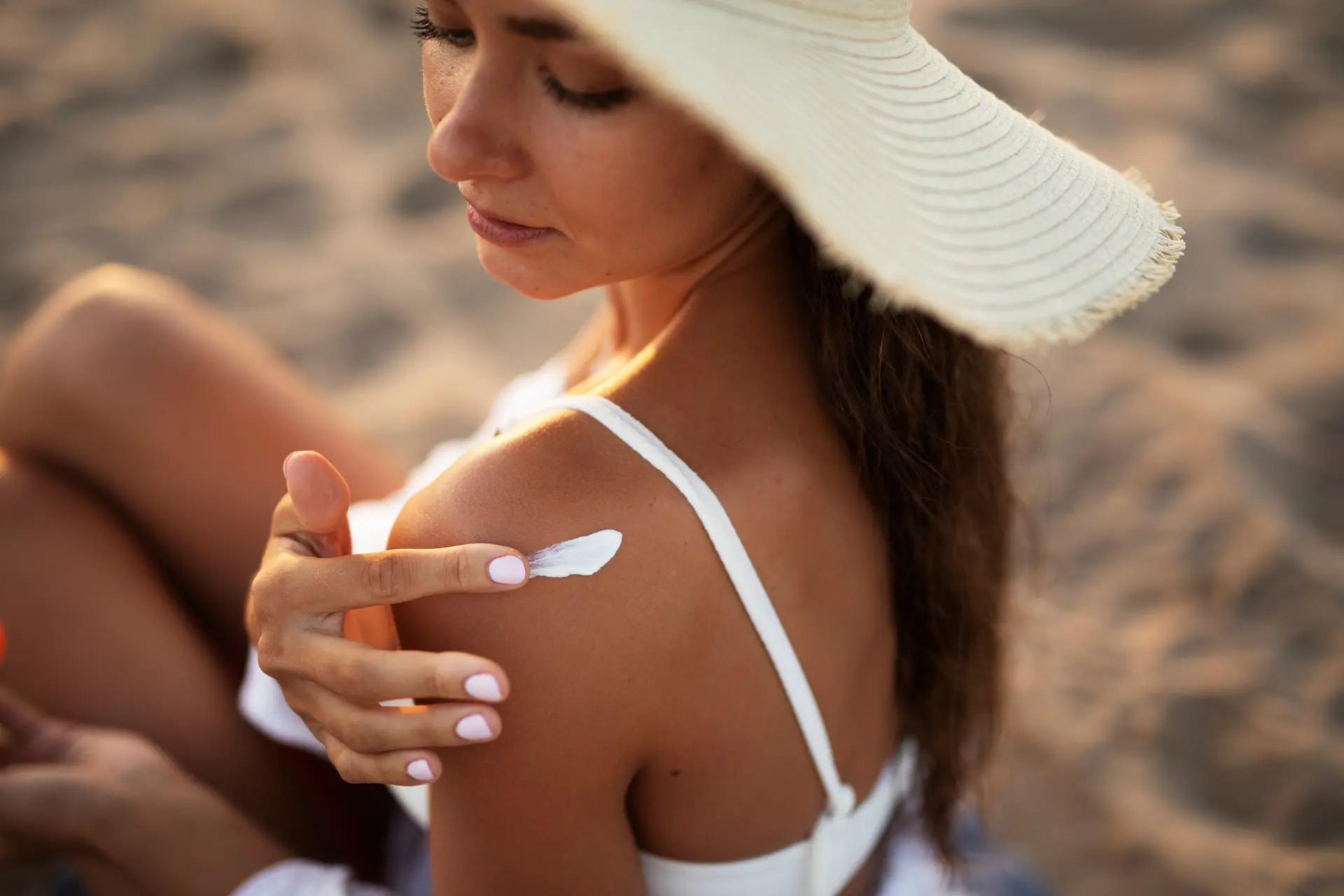
It is also important to remember: aesthetic medicine cannot replace sleep, UV protection, smoking cessation or chronic disease control. But it can be a powerful tool when integrated into the context of a healthy lifestyle and medically sound care.
Conclusion: aesthetics as an extension of health
Modern aesthetic medicine, in my understanding, is about enabling people to live their fullest lives, feel confident and maintain the quality of their skin and tissue in the long term. It is not about finding flaws, but about intelligent, personalised medicine.
If you are considering an aesthetic procedure, I recommend starting with a professional assessment and a plan based on your anatomy, skin biology and health situation. It is individualisation that most often ensures harmonious and safe results.
Post-holiday oedema: how to reduce facial and body oedema safely and sensibly After the festivities, I often hear a similar question in my office: why is my face suddenly swollen, my legs heavier, my rings pressing, and what can I do about it? Most often it happens after sweeter and saltier food, less exercise, later […]
In my practice, the most common question I hear after hearing loud stories on social media is simple: how to know if an aesthetic procedure is safe and where the risk of complications lies. Recently, speaking to colleagues at the Academy of Dermatology and the Baltic Beauty congress, I was reassured that safety in aesthetic […]
Patients often ask me two related questions: whether SPF 100 is real or just marketing, and why zinc oxide is so rarely seen in sunscreens. Both questions are very valid, as they concern both the effectiveness of the protection and the tolerability for sensitive skin
The issue of FDA reports on the safety of fractionated radiofrequency (RF) devices has been raised more frequently recently. This is understandable, as RF procedures are widely discussed as a method of improving skin quality, and at the same time reports of complications are emerging.
Our IPL offer Patients often ask me: ” "Doctor, how do I know which laser or IPL is right for me and how can I avoid the risks?" Patient It’s a very valid question, because there are many devices on the market, many promises and also many different skin types. In addition, the procedure itself […]
Patients often ask me what to do with the eye area if they have the first wrinkles, the appearance of fatigue or thinning skin, but they don't want a long rehabilitation. This question sounds different, sometimes very emotional, because the periorbital area is one of the first to show ageing, sleep deprivation and genetic predisposition.
Patients often ask me, sometimes very emotionally, “What procedure do I need?” Or “Why didn’t you recommend what I saw on the internet?” Honestly, this is understandable. Aesthetic medicine is a relatively new field and there is a lot of information, but it is fragmented and often taken out of context. One of the biggest […]