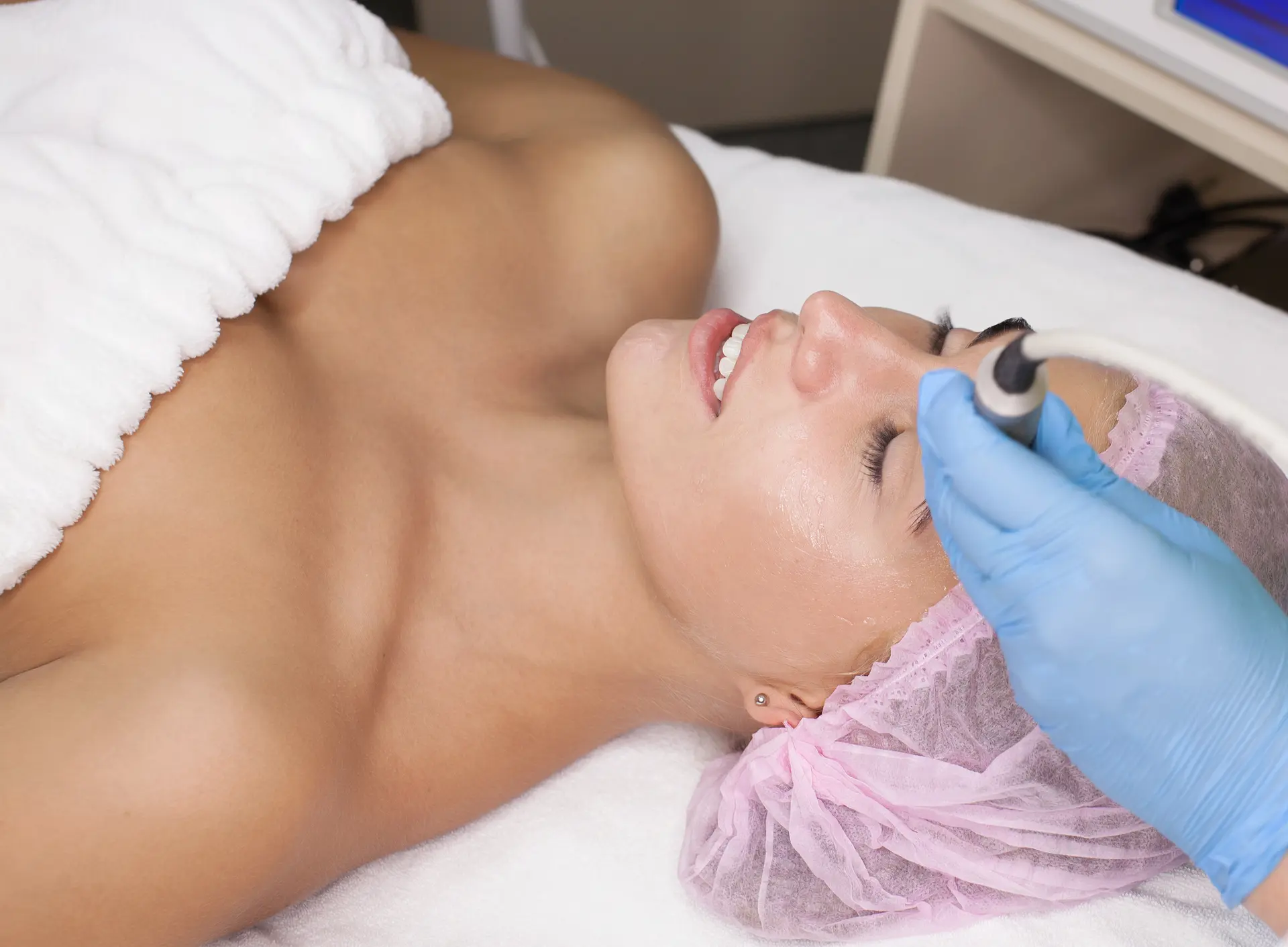
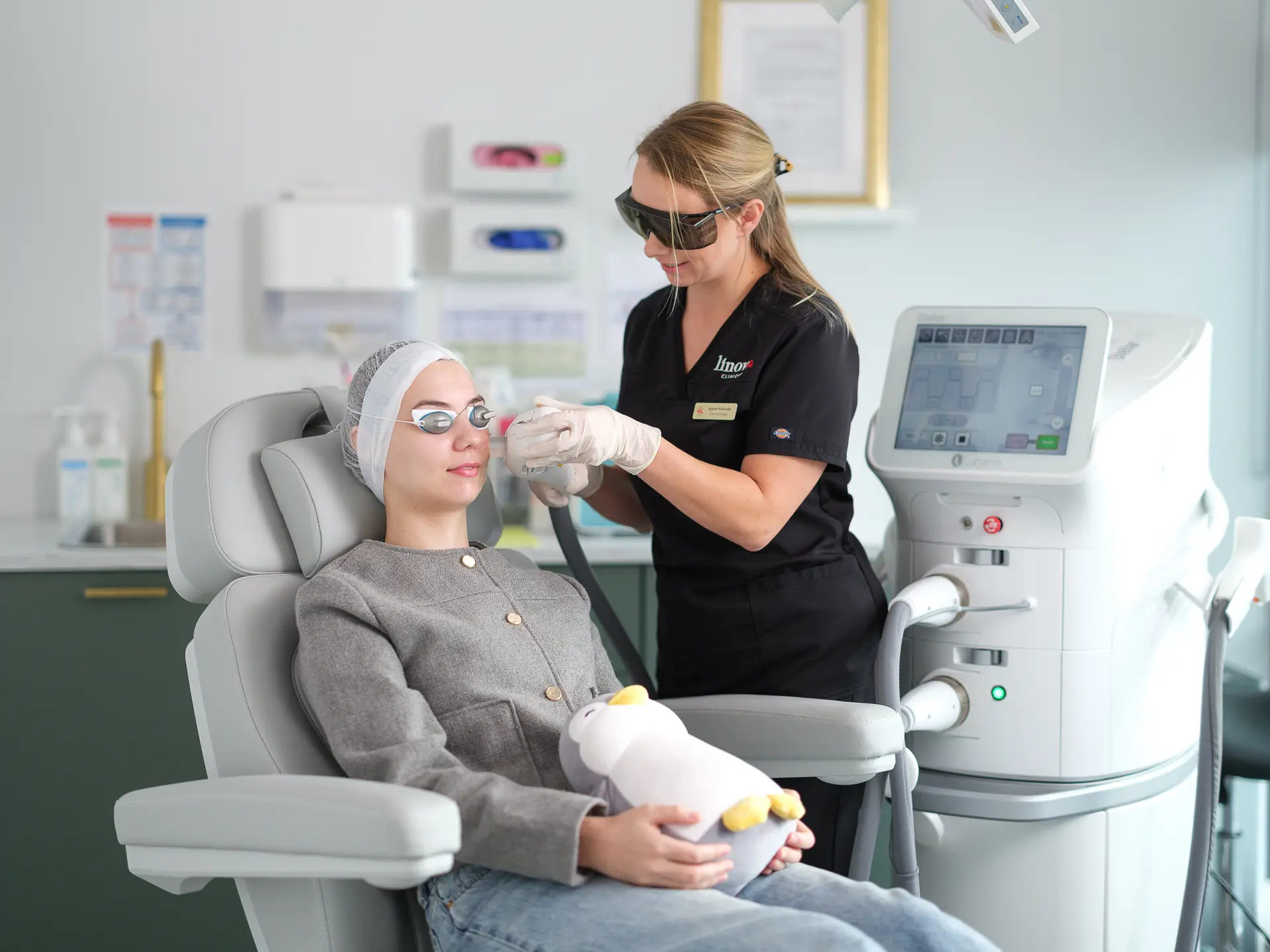
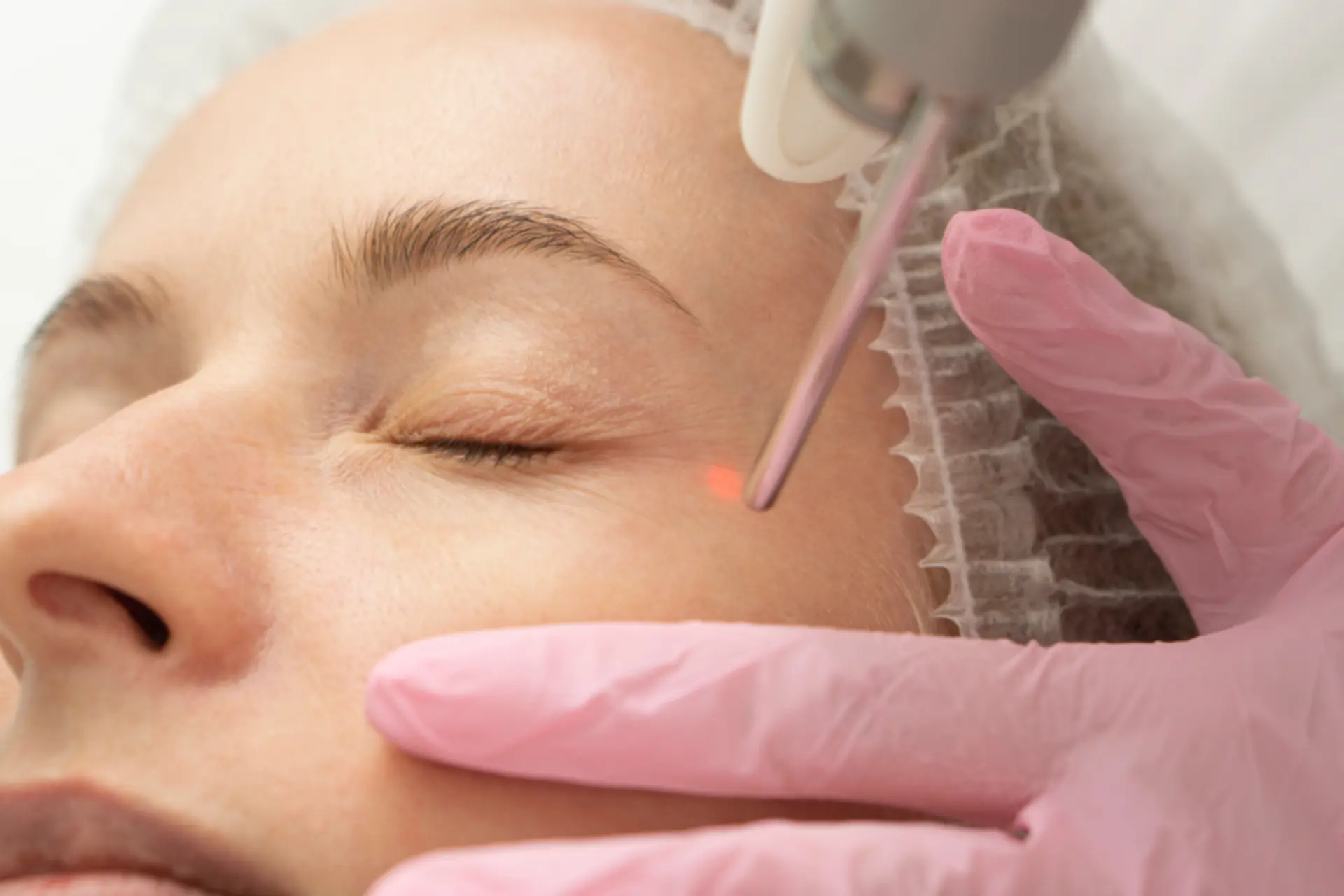
In my practice, the most common question I hear after hearing loud stories on social media is simple: how to know if an aesthetic procedure is safe and where the risk of complications lies. Recently, speaking to colleagues at the Academy of Dermatology and the Baltic Beauty congress, I was reassured that safety in aesthetic medicine starts with understanding. Both about the technology and about the people who use it.
In this article, I will explain in practical terms how lasers and injectable fillers work, what complications can occur, and what patients can do to significantly reduce the risk.
Why complications most often occur in the wrong hands
Aesthetic treatments are not just a "beauty service". They are medical manipulations involving the skin, blood vessels, nerves, immune response and the healing process. Therefore, the main risk factor is often not the device or the product itself, but insufficient knowledge, lack of experience, incomplete patient assessment or inappropriate management in the event of adverse reactions.
In my work, I see that safety is made up of three things: correct diagnosis and indication, appropriate technique and aftercare, and a team prepared to deal with complications.
Laser procedures in dermatology and aesthetics: what does "the right laser" mean
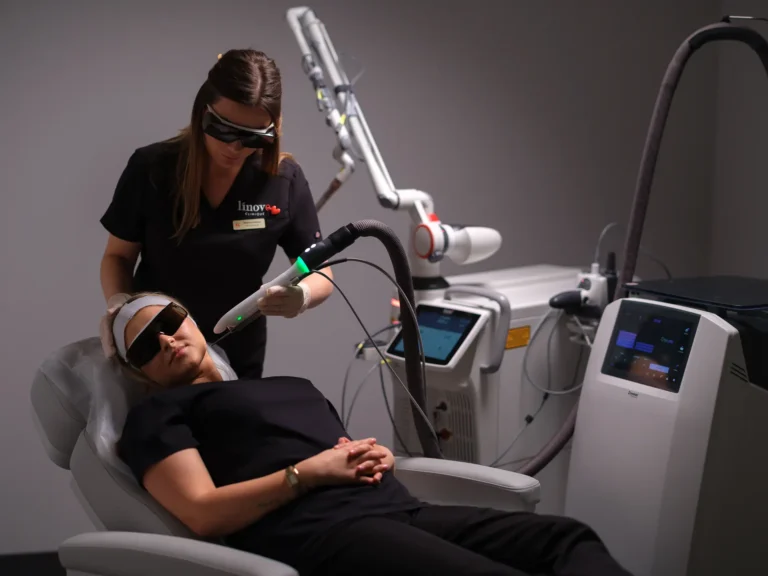
A laser is not one particular machine. It is a light source with a specific wavelength, pulse duration and energy. These parameters determine exactly what we are targeting: pigment, haemoglobin in the blood vessels, water in the tissue or the hair follicle.
What lasers are commonly used for
In practice, laser procedures are most commonly chosen for:
- for laser hair removal
- to reduce vascular formations
- for pigmentation correction
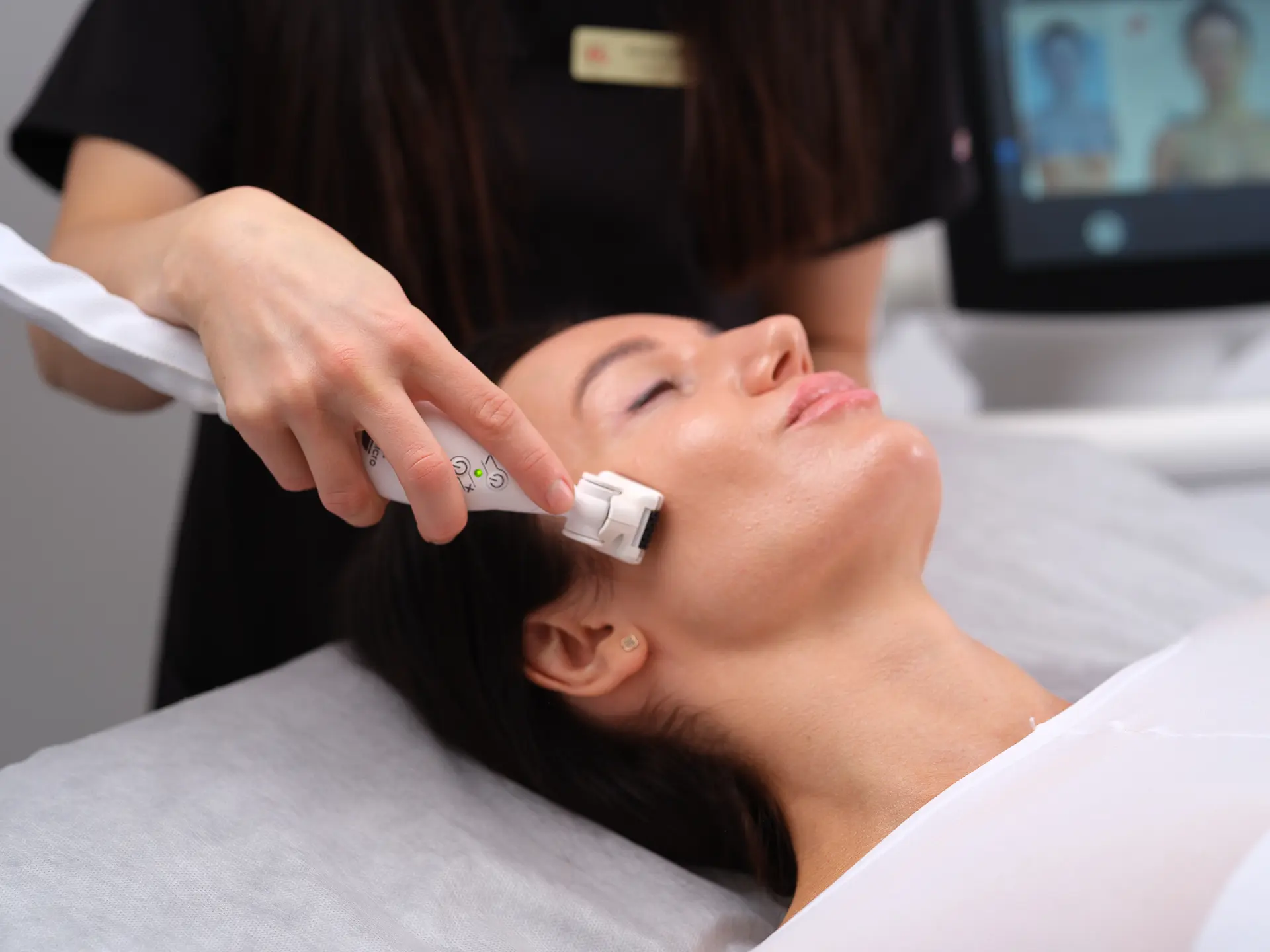
- to improve skin texture and scars
The indication is crucial. For example, the same "pigmentation" may be sun-induced, hormonally influenced, post-inflammatory, or another dermatological condition for which laser is not the right choice.
Common laser complications and how to reduce them
The side effects I see most often in laser procedures are predictable and manageable: temporary redness, swelling, irritation. But more serious situations are also possible:
- burns and blisters
- hyperpigmentation or hypopigmentation
- scars
- herpes virus activation
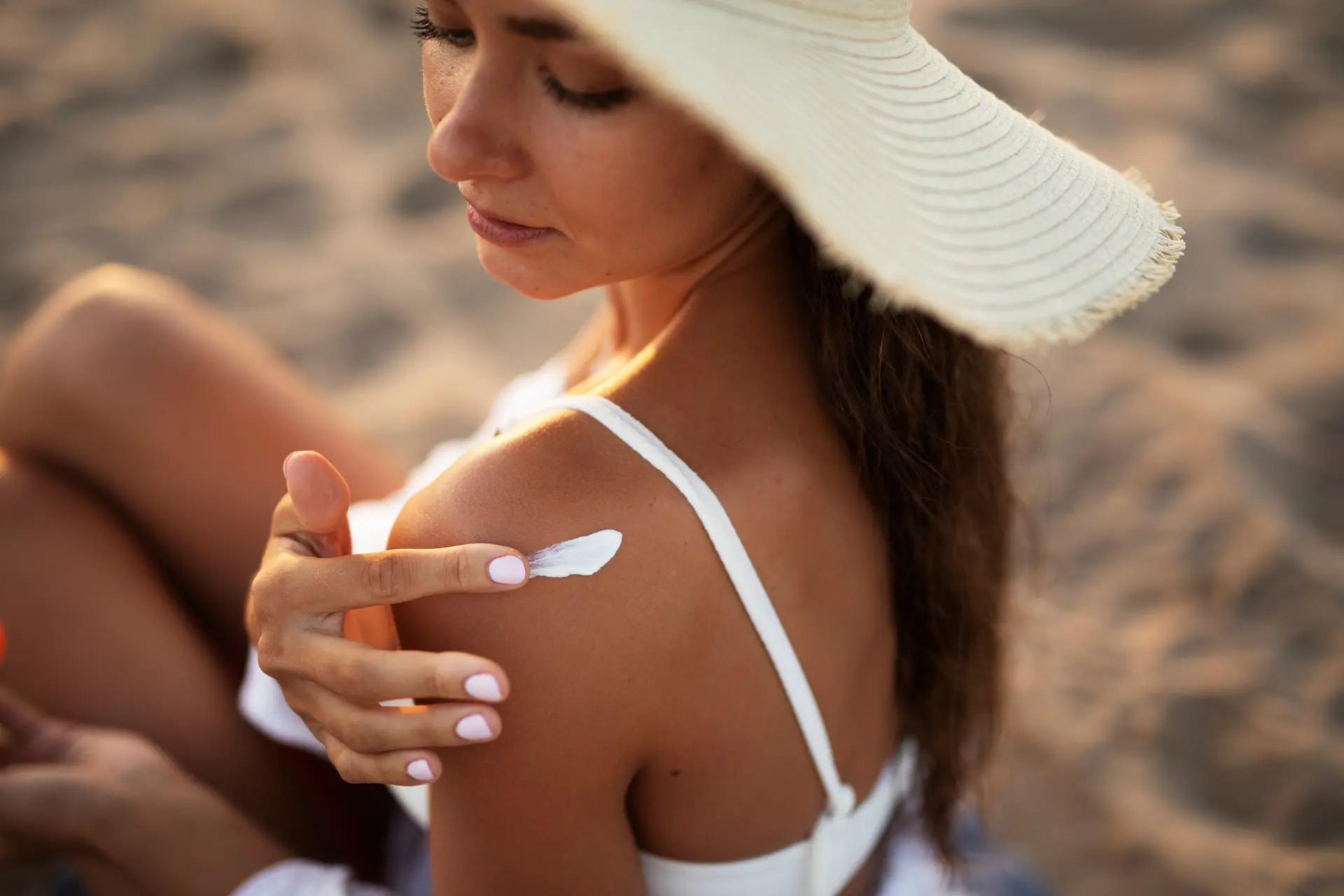
Risk factors include darker skin phototype, recent tanning, inadequate parameters, aggressive aftercare and lack of patient awareness of sun protection. This is why I always stress: a safe laser procedure starts with a consultation and a realistic plan, not with a promise to "do it quickly".
Fillers and injections: where the danger lies
Hyaluronic acid fillers are widely used and are often predictable in a properly performed procedure. However, it is the injections that have the greatest potential for acute, dangerous complications, as the needle or cannula is operating in an anatomically complex area.
Possible complications of fillers
Complications can be early or late:
- haematomas, swelling, asymmetry
- infection
- nodules and hardenings
- delayed immune reactions
- blockage of a blood vessel, which in rare cases can lead to skin necrosis or visual impairment
The key here is not only the correct injection technique, but also the ability to recognise the warning signs. Pain, rapidly changing skin colour, stinging, blurred vision after the procedure are not "normal recovery". These are situations that require immediate action.
What to ask the patient before the procedure
To reduce the risk, I advise patients to ask specific questions. It's not uncomfortable, it's responsible.
Practical safety check
Before the procedure, find out:
- what is the indication for the procedure in your case
- what device or preparation will be used and why
- what the most common side effects are and what to do if they occur
- how aftercare and post-procedure communication will be provided
- how the specialist deals with complications
It is also important to be open about your illnesses, medications, allergies, previous treatments and tendency to scar or pigment.
My professional view: safety is a process, not a phrase
When I speak to my colleagues about lasers and the complications of aesthetic procedures, the main message is always the same: patient safety requires teamwork and regular training. Technology evolves, protocols are refined, and it is important for even experienced doctors to practise their skills and review algorithms.
Conclusion
Lasers and fillers can give very good, natural results if the procedure is justified, professionally performed and the patient has a clear plan before and after the manipulation. The risk of complications is never zero, but it can be significantly reduced with individual assessment, correct choice of technique and safe aftercare.
If you are considering an aesthetic procedure, I encourage you to start with a consultation where we discuss your goals, health factors and the safest path for your skin.