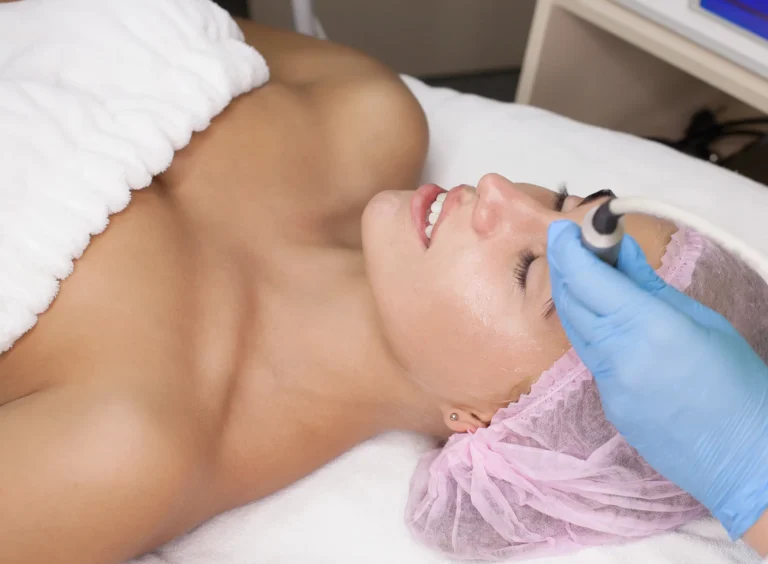
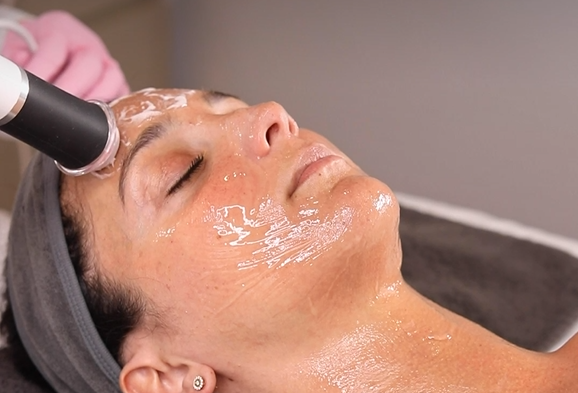
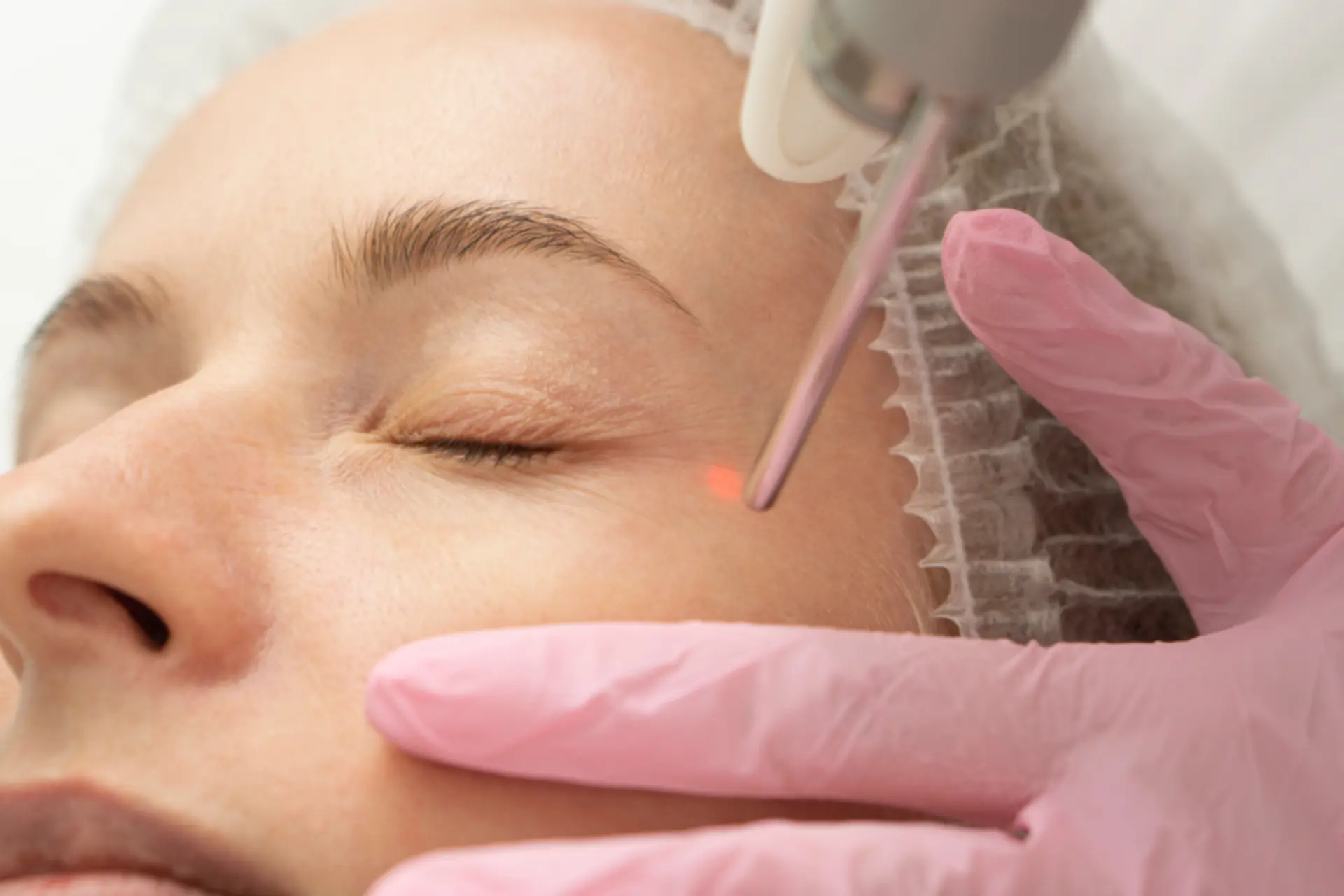
The issue of the FDA update on fractionated radio frequency or fractionated RF solutions is very understandable. Patients see the ads, hear the testimonials and logically want to know how safe it is.
As a doctor in aesthetic medicine and dermatology, I can say this calmly and practically: the technology itself is not new, but the risks become more acute when high-powered devices become easily available outside medical institutions and are not properly controlled.
What is fractionated radiofrequency and why is it used
Fractionated radiofrequency is a technique in which tissue is exposed to radiofrequency energy in a specific, fractionated way. In aesthetic medicine, it is used to work on skin quality, texture and some structural changes.
It is important to understand that any device that transfers energy to the skin and subcutaneous tissue requires an accurate understanding of:
- skin and subcutaneous layers
- anatomy of the nerves and blood vessels
- individual tissue characteristics in different areas of the face
- appropriate parameters and techniques
Why the FDA is warning now
From a clinical practice point of view, there are no surprises here. When procedures become a mass service and devices are used in an environment where medical supervision is lacking, complications logically increase.
The FDA points to increasing complications, including:
- nerve damage, including facial nerve damage
- fat necrosis
- for the processes of reproduction
Such complications are most often not related to a single factor. They are usually a combination of inappropriate patient selection, overly aggressive settings, incorrect working technique and a lack of understanding of facial anatomy.
The main risk factor is not just the device, but the operator
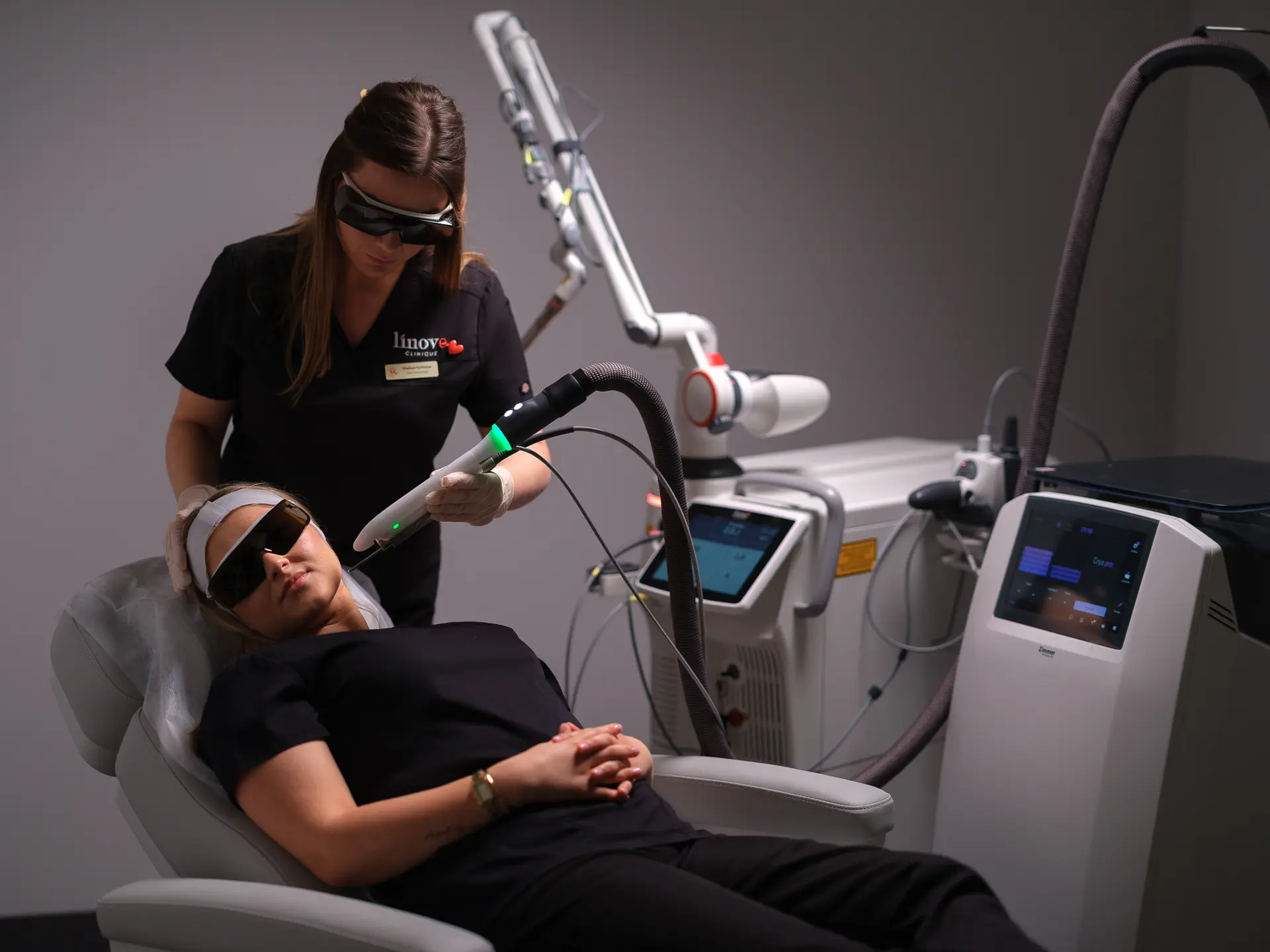
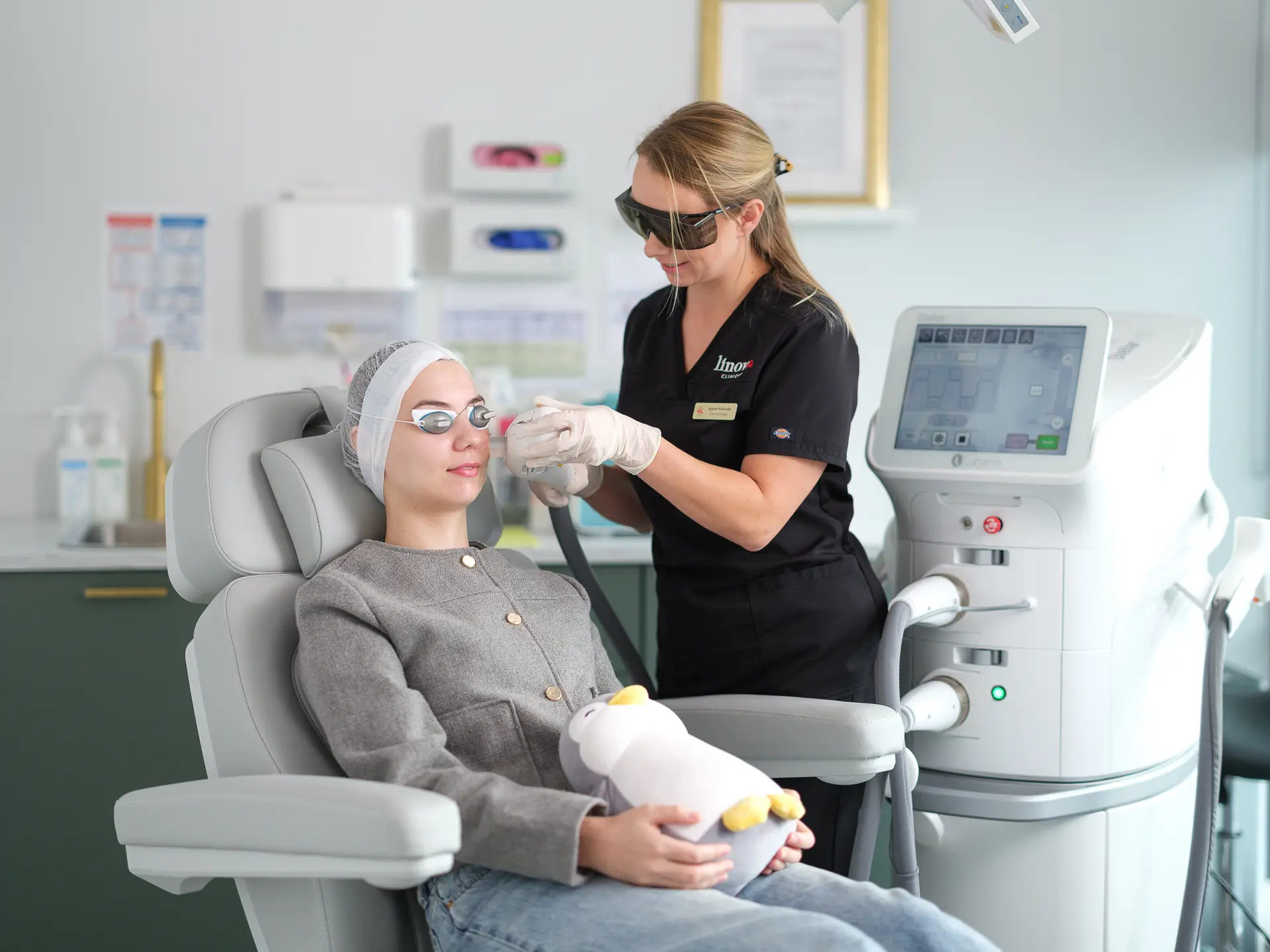
I always stress: in energy-based treatments, it's not just the brand or the power of the machine that determines the outcome and safety. It is the operator who makes the difference.
A safe fractionated RF procedure requires:
- technology-specific training
- basic knowledge of dermatology and facial anatomy
- ability to recognise risks before the procedure and to act if adverse reactions occur
- a clear protocol for post-procedure care and complication management
If any of these parts are missing, even a well-known method can become dangerous.
For whom fractionated RF may not be suitable
It is not possible to give a universal list that applies to everyone, as indications and risks are individual. However, in practice I assess patients particularly carefully if there are:
- a tendency to scar or a history of scarring after procedures
- sensitive or reactive skin, active inflammation
- a distinct anatomical feature in certain areas of the face where nerves are superficial
- history of pain, numbness or neurological symptoms of unclear origin
These are not self-diagnosis points. They are a reason to talk to your doctor to see if the benefits outweigh the risks in your particular situation.
What to ask the patient before the procedure
To reduce the risk of complications, I recommend asking a few specific questions before undergoing a fractionated radiofrequency procedure.
About the qualifications of a specialist
- What is your medical background and experience with fractionated RF
- How often do you have these procedures
- What you do if a complication occurs and who is medically responsible
About security and protocol
- How the parameters are selected for my skin and area
- What are the most common risks and how to recognise them in the early days
- What is the aftercare and when should I contact the clinic
The most important signal, which I always find worrying as a doctor, is the promise of no risks. In safe medicine, risks are explained clearly, calmly and understandably.
What to do if you have suspicious symptoms after the procedure
Transient reactions such as redness or sensitivity can be expected after energy-based treatments. But there are symptoms that should not be ignored:
- persistent, increasing soreness
- numbness, tingling or facial asymmetry
- skin discolouration that does not improve or dense, painful nodules under the skin
- signs of a scarring process or tissue damage
In such situations, my advice is to not delay and to see a doctor in good time to assess the condition and, if necessary, start the correct treatment.
Conclusions: how to deal sensibly with an FDA warning
The FDA announcement on fractionated radiofrequency is, for me, a reminder of a basic principle: the more powerful the technology, the more important medical responsibility, training and individual patient assessment are.
Fractionated RF can be considered as part of a personalised skin improvement plan, but it is not a one-size-fits-all procedure and is not always the best first choice. Safety starts with a consultation, realistic expectations and a professional approach for each individual.