Patients often ask me what to do with the eye area if they have the first wrinkles, the appearance of tiredness or thinning skin, but they don't want a long rehabilitation. This question sounds different, sometimes very emotional, because the periorbital area is one of the first to show ageing, sleep deprivation and genetic predisposition.
As a dermatologist and aesthetic medicine doctor, I always treat the eye area with extreme caution. The skin here is thin, sensitive and reactions can be more pronounced than, for example, in the cheek area. Therefore, in practice I often opt for methods that allow collagen stimulation with a controlled effect and a short recovery time. One such method is Fotona SmoothEye®.
What is Fotona SmoothEye® for the periorbital area
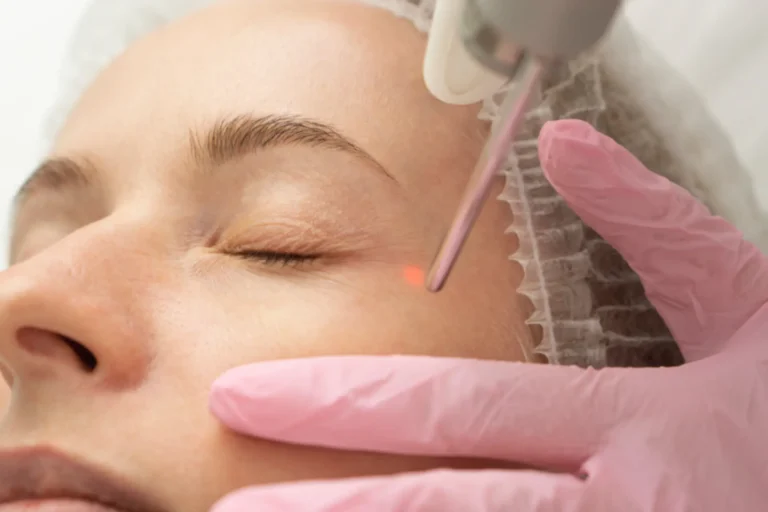
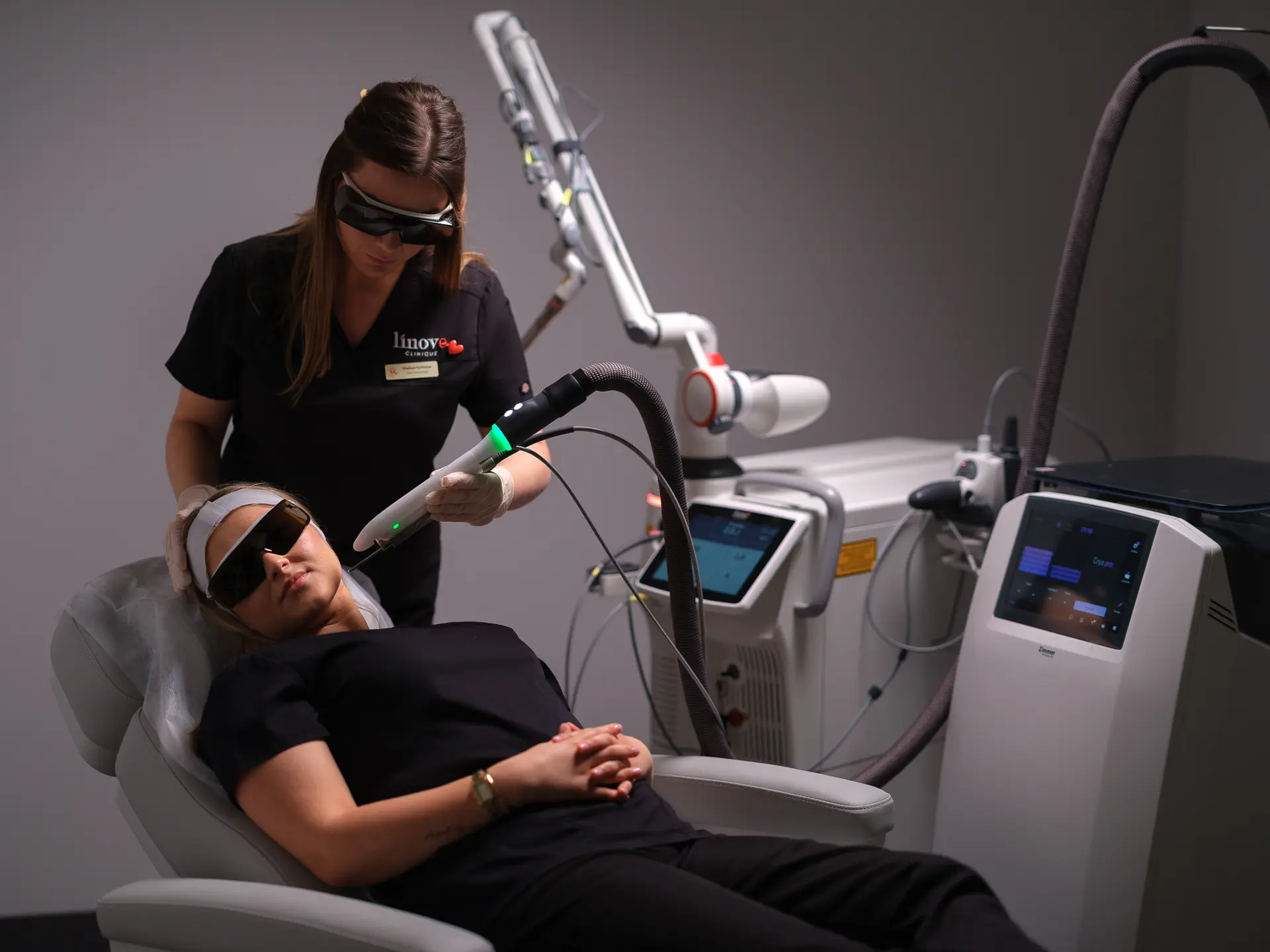
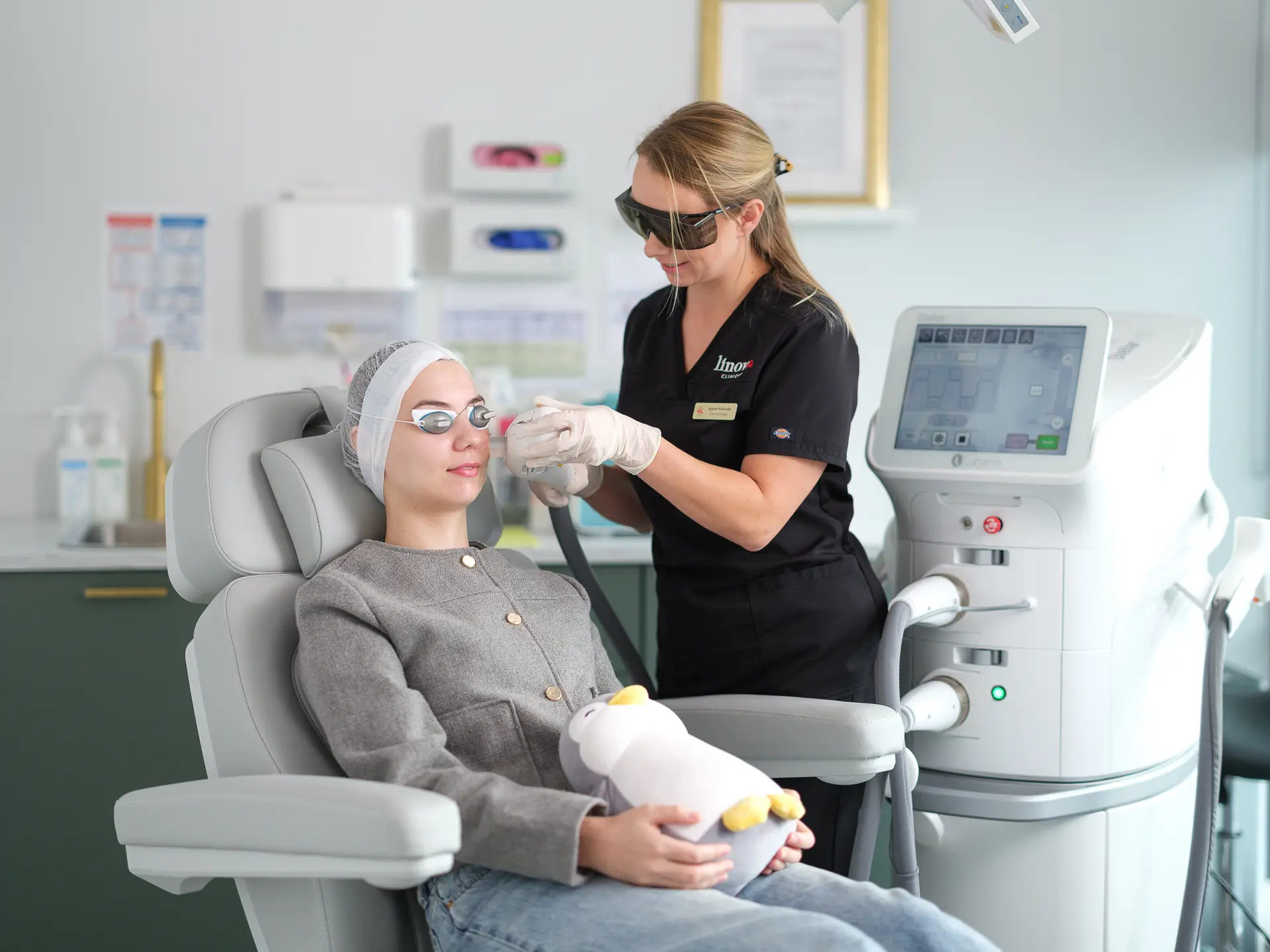
Photon SmoothEye® is a laser treatment protocol using a non-ablative SmoothEye® mode. In practice, this means that we heat the dermis to trigger collagen and elastin remodelling, but do not create an open trauma to the overlying skin.
In the periorbital zone, this is important because:
- the skin surface is not opened, so there is usually less redness and peeling
- rehabilitation time is usually shorter
- the daily rhythm does not have to be interrupted frequently or rearranged for several days
It is important to understand that collagen stimulation is not an overnight effect. It is a biological rejuvenation that takes time, and the results build up gradually.
What can actually be improved in the eye area
In the periorbital area, we most often work on skin quality and texture with collagen stimulation.
Common objectives
- reduction of fine lines and wrinkles
- improving skin density and elasticity
- a lighter impression of fatigue as the skin becomes smoother and firmer
What this method does not usually replace
- severe overheating of the eyelid skin or hernias requiring surgical treatment
- very pronounced volume loss, where other methods often need to be considered
- causes of pigmentation related to blood vessels, anatomy or chronic inflammation, where treatment may be combined
That's why I always find out in the consultation what the patient's main problem is: wrinkles, tint, puffiness, shadows, or drooping of the eyelid.
Why I often choose a non-ablative and controlled approach
In practice, different laser technologies can have good effects, but they vary in aggressiveness and rehabilitation. If I have to choose between aggressive CO2 fractional ablation with deep thermal columns and the gentler Photon solution with controlled exposure, in younger patients or patients at increased risk of pigmentation I often lean towards the gentler tactics.
The main reason is safety. Especially in the periorbital area, I want to reduce the risk of complications, including post-inflammatory pigmentation. No procedure in medicine is completely risk-free, but the method and the choice of parameters can have a significant impact on this risk.
Who may benefit from Fotona SmoothEye®
Fotona SmoothEye® is often considered if:
- early or moderate wrinkling in the eye area
- the skin appears thinner and less elastic
- the patient wants restoration with a shorter recovery
- a controlled, step-by-step approach is important
Individual assessment is particularly important if there is a tendency to hyperpigmentation, a history of unexpected reactions after treatments or active skin inflammation.
Safety and possible reactions after the procedure
After a non-ablative SmoothEye® treatment, temporary reactions such as redness and mild swelling are usually observed. In some patients, the eye area may be more sensitive for 1 to 2 days.
I also always discuss situations when it is better to postpone the procedure, for example during an active dermatitis flare-up, after intense sun exposure or if there are other factors that increase the risk of irritation.
In home care, I usually emphasise three things:
- gentle skin care without irritating active ingredients in the first days
- strict photoprotection, as the skin of the eye area is susceptible to pigmentation changes
- reasonable expectations and patience, as collagen remodelling occurs gradually
I determine the specific regimen and care plan individually, based on the skin condition and medical history.
How many treatments are usually needed and when to expect the effect
For collagen stimulation treatments, the effect is usually gradual. Some patients notice fresher skin sooner, but structural changes are more likely to become visible over time.
The number of treatments and intervals are not universal. They are determined by:
- skin thickness and elasticity
- initial changes and objective
- previous experience with the procedures
- lifestyle, degree of photodamage and care at home
That's why, in the consultation, I always explain what outcome we can plan for safely and sensibly in a given situation.
My clinical view: less trauma, more control
The eye area is not where I want to compete with aggressiveness. My aim is to achieve an improvement in skin quality with the lowest possible risk of side effects, especially in patients for whom a short rehabilitation time is important and who do not want prolonged redness or peeling.
In my practice, Photon SmoothEye® is one of the methods that allows me to work in a smart and controlled way: to heat the dermis, stimulate collagen and spare the top layer of the skin at the same time.
Conclusions
Fotona SmoothEye® for collagen stimulation of the periorbital area can be a good solution for patients who want a gradual improvement in skin quality with a shorter recovery time. However, the ocular area always requires a very individual assessment as anatomy, skin thickness, risk of pigmentation and goals vary.
The safest way to go is to have a consultation, where together we define the main problem, choose the most appropriate method and agree on a realistic, medically sound plan.